Last updated on August 9, 2026
According to a consumer ancestry test, I am 46% Igbo and 18% Ghanaian. No surprise that I am primarily of West African ancestry, given the history of slavery in the Caribbean.
A few years ago, my family started talking about visiting Nigeria and some other countries in Africa to trace some of the slave routes, learn about the history from the African perspective and celebrate my stepmother’s birthday.
Slavery makes me sad and angry on many levels. But I didn’t feel a personal connection being in Ghana nor Nigeria. Rather, I felt that I was paying homage to my ancestors. I did a lot of multicultural and anti-racism work as a student in Canada and learned a lot of Black history then, so the visit didn’t have any surprises for me.
Paying homage meant remembrance. It meant walking some of the paths that they walked. It meant saying a prayer. I embodied it by being present and making the journey.
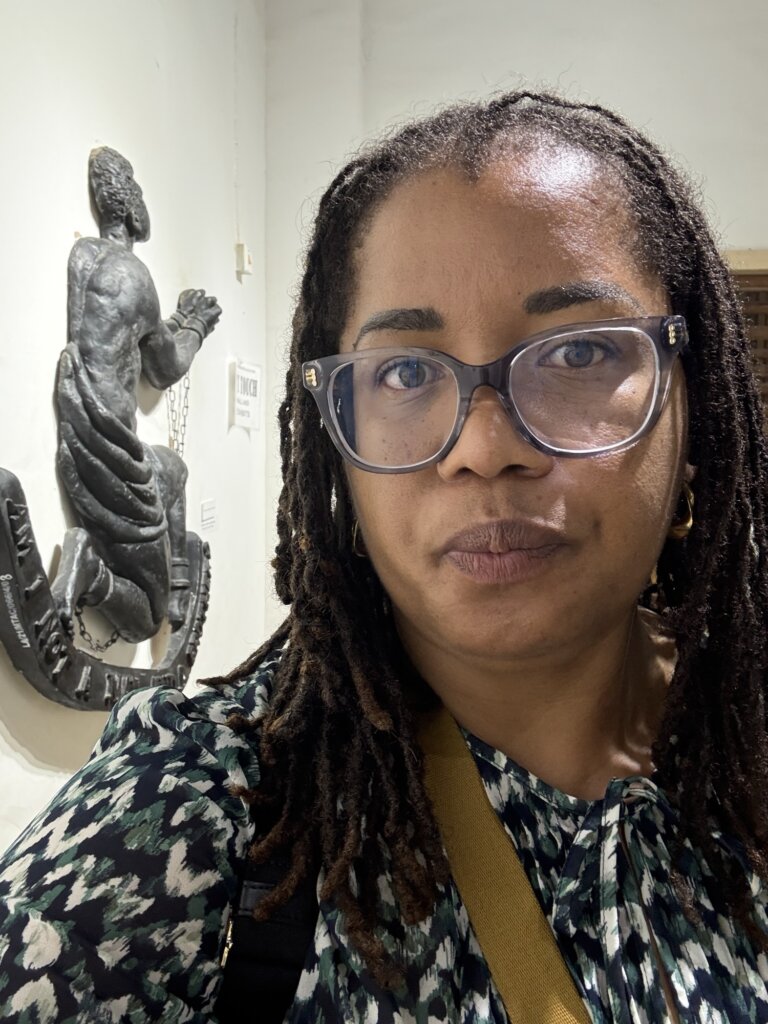
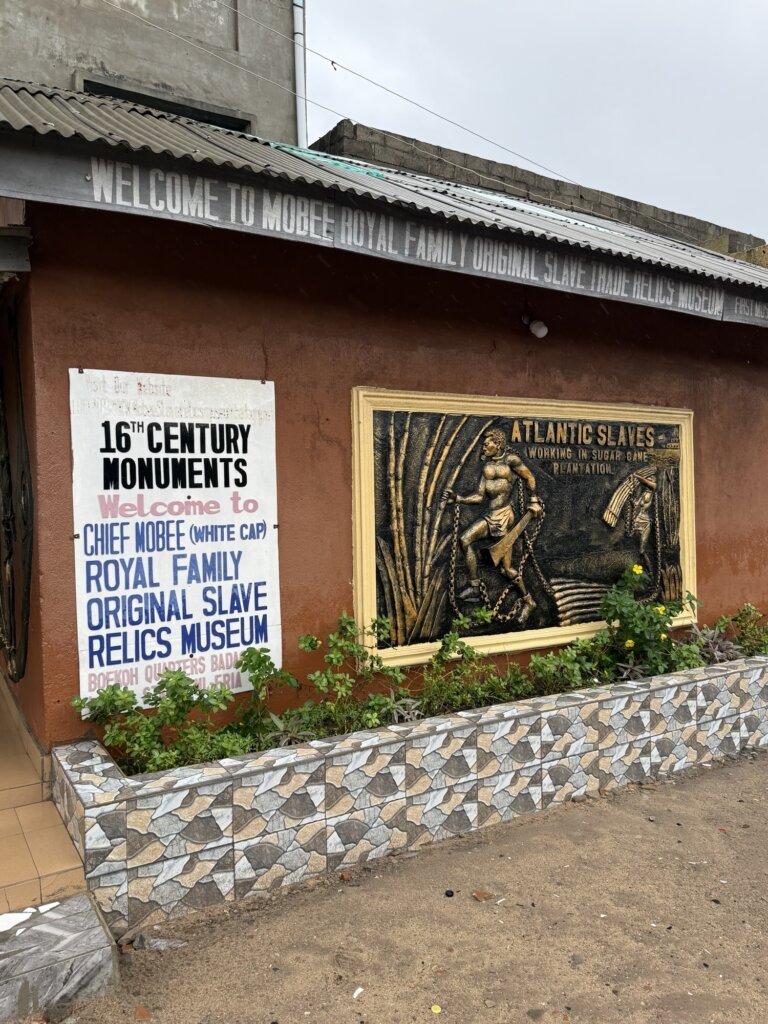
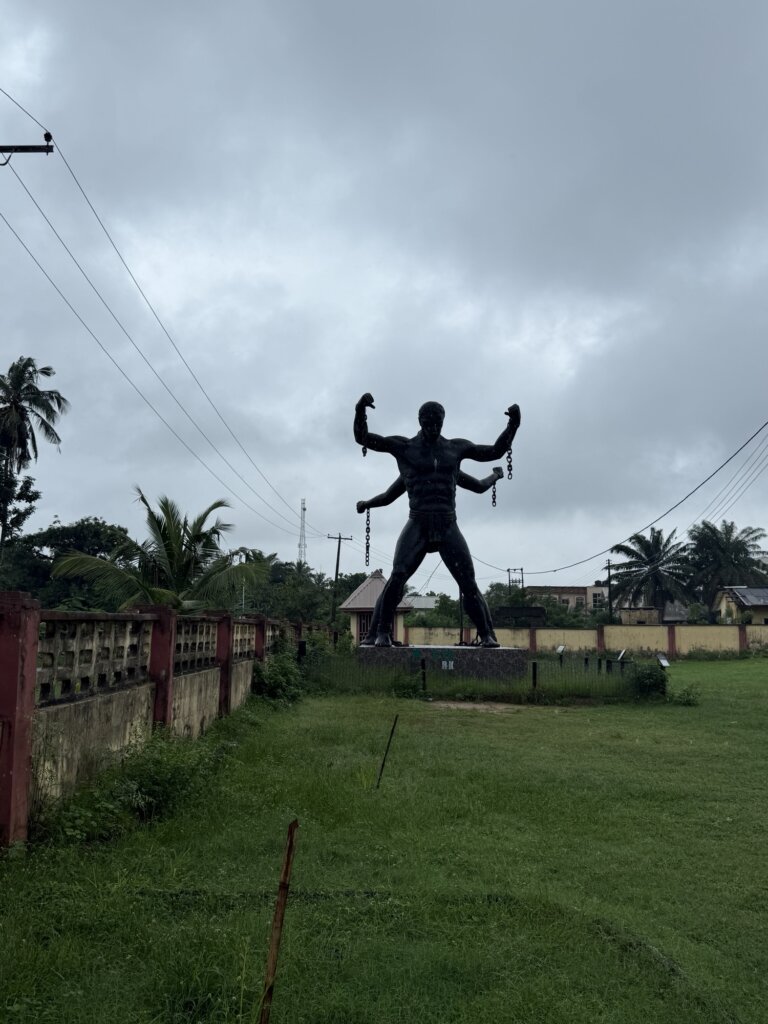
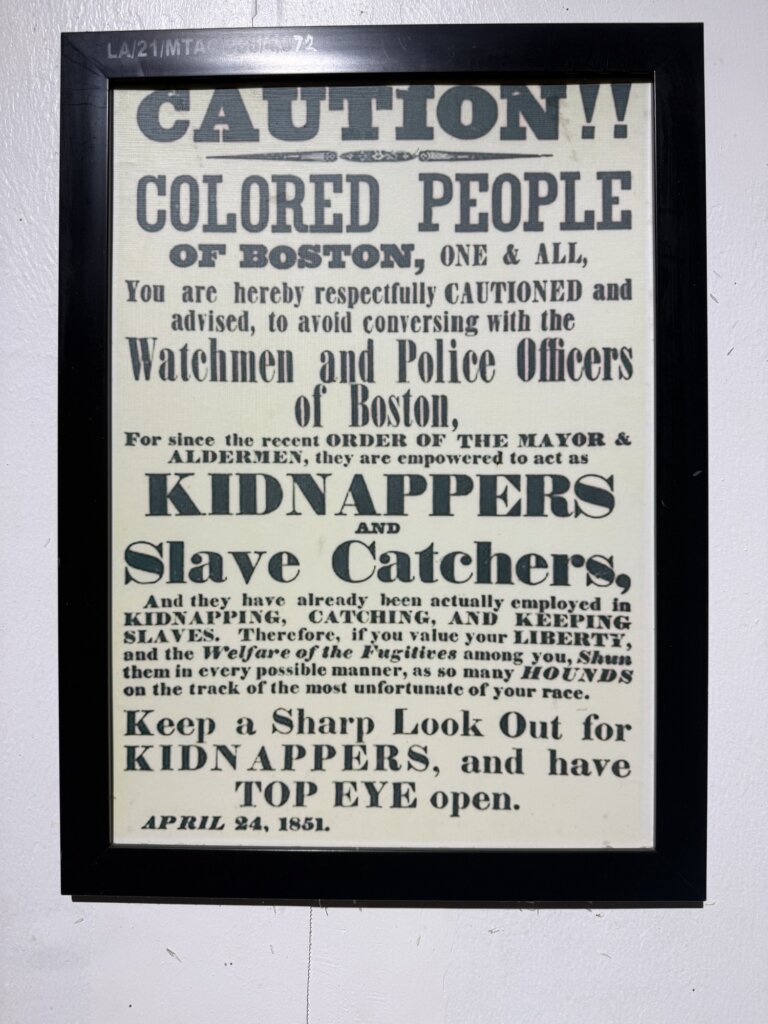
the African side in Badagry
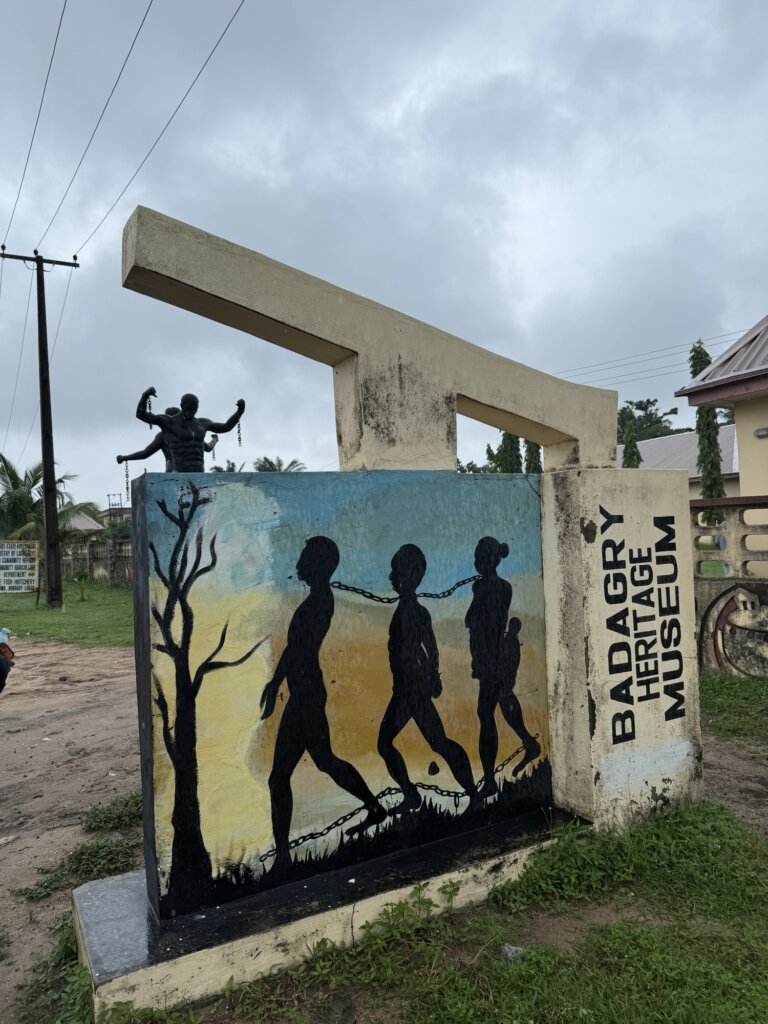
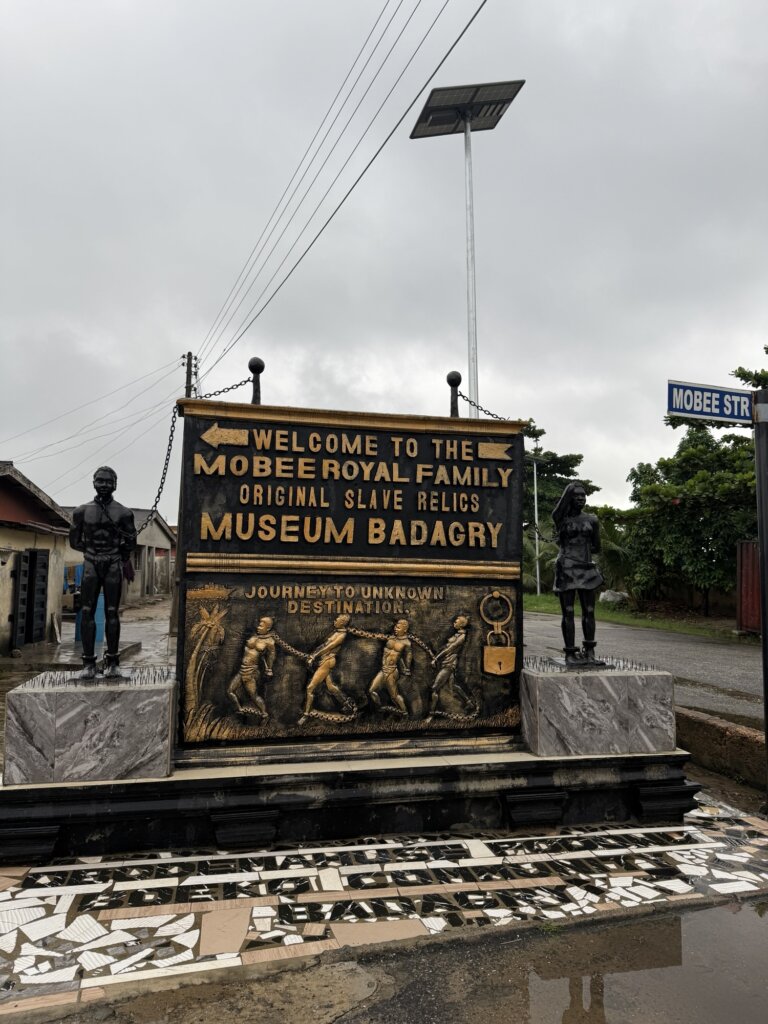
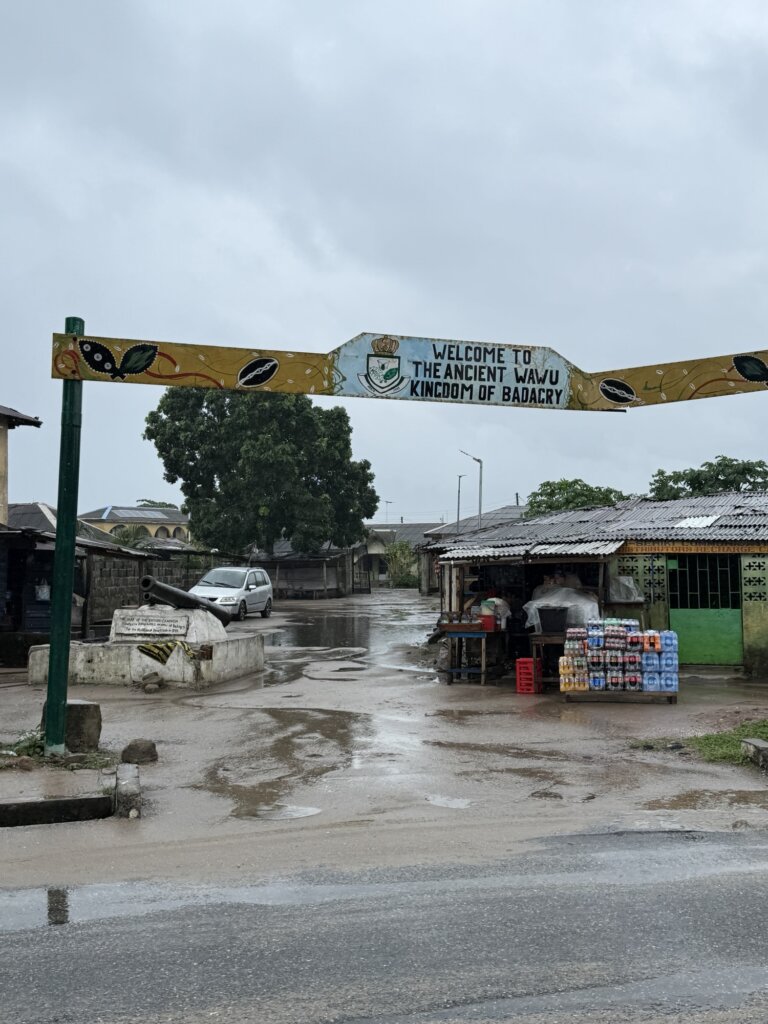
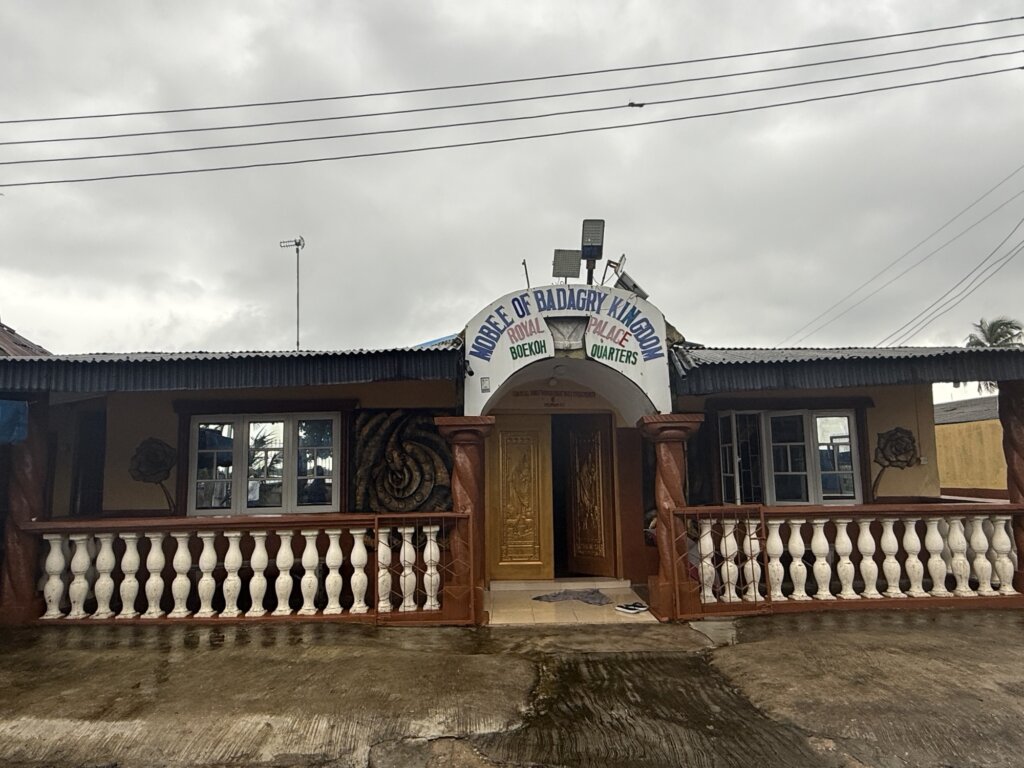
We went to Badagry in Nigeria to visit the slavery museum and slave holding sites and learn about the African side of the history from that time. The museum was quite small, but it was effective in showing slavery from the African side. That was my first introduction to and experience with that perspective.
Sometimes it felt defensive. I don’t doubt that people were sometimes tricked and that they didn’t always know exactly what would happen to the people they were selling. But they also sold people from other tribes to foreigners, bartered for canons and umbrellas. Did they never wonder what would happen next?
It’s so interesting how people place themselves and the people who are like them above everybody else. Of course, that seems to be prevalent in the world today, with a very individualistic perspective in some countries, or some countries thinking that they’re actually better than everybody else.
Despite knowing the history, the torture and inhumanity of slavery came alive because there were many instruments. My stepmother actually got to try some, for example, feeling how heavy the chains were that they would put around people’s necks and seeing how they would fasten 2 people’s feet together.
There were stories of women dying by suicide and taking all the nearby people with them. And, of course, there was so much resilience, with people fighting in many different ways while the enslavers tried to break them.
No particular story of resistance stayed with me. It was the whole story, and then seeing and touching all of these things that I could see were instruments of torture and subjugation.
I had visited Gorée Island in Senegal before. We went to the Door of No Return and visited the museum there. But maybe it’s because my ancestry test shows that I am part Nigerian and part Ghanaian that the stories felt more real to me, like my ancestors went through this.
We didn’t get to see the Point of No Return in Badagry because none of us wanted to take a canoe there in the rain.
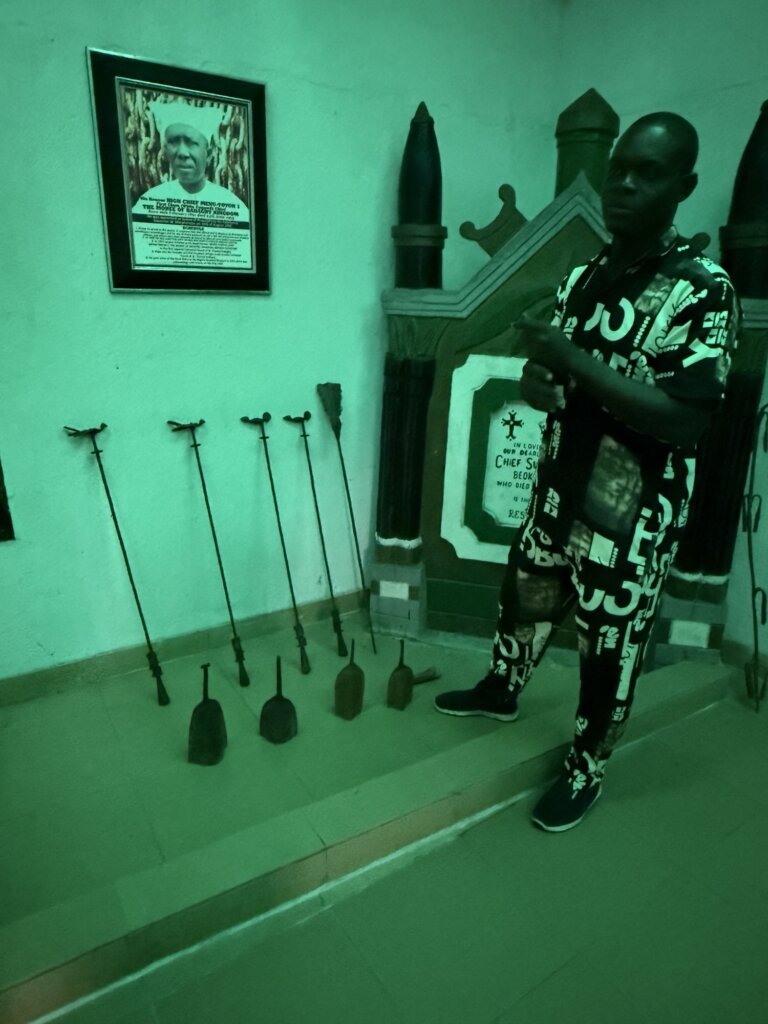
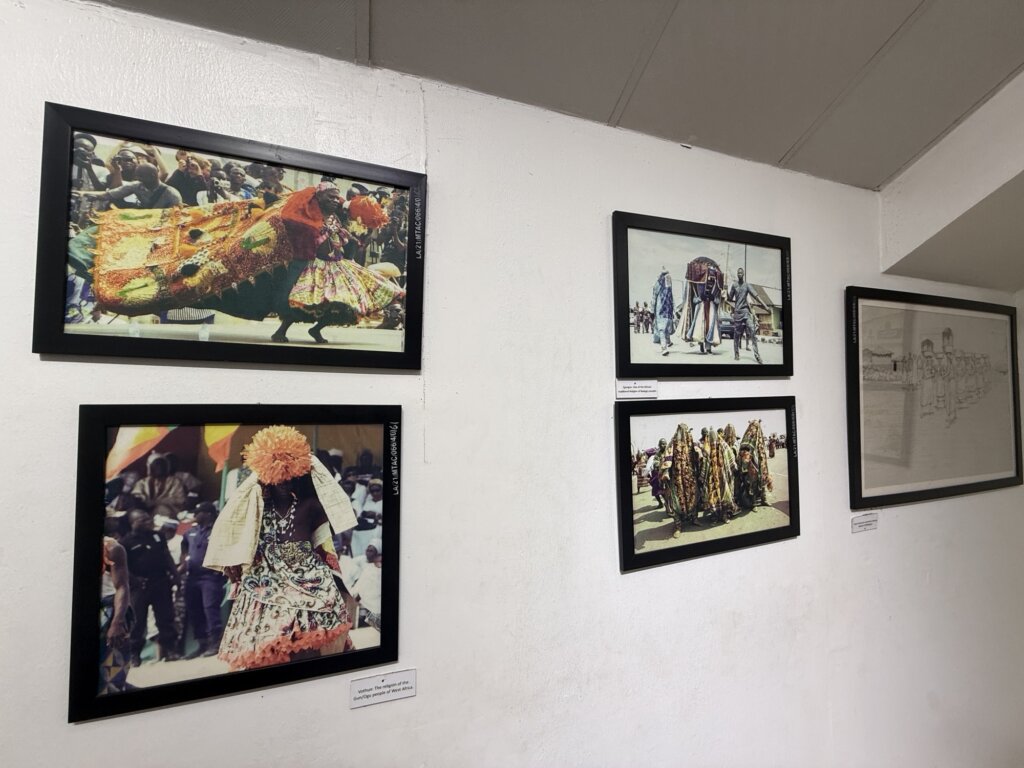
Worship above the dungeons
In Accra, I visited Black Star Stadium and Osu Castle.
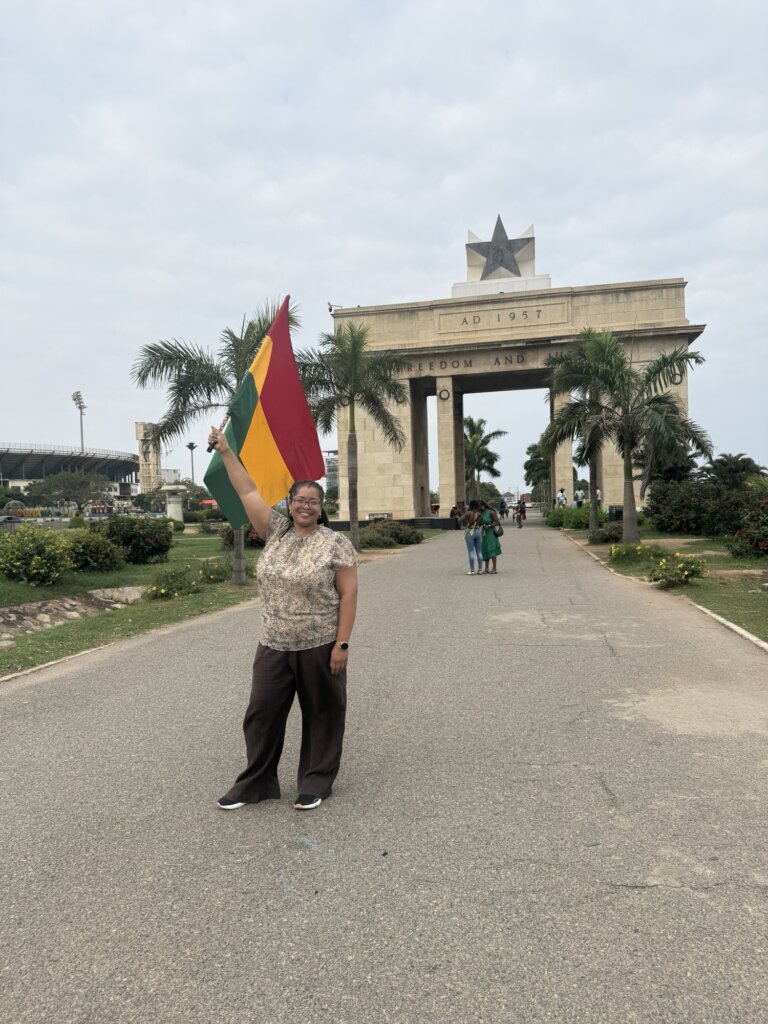
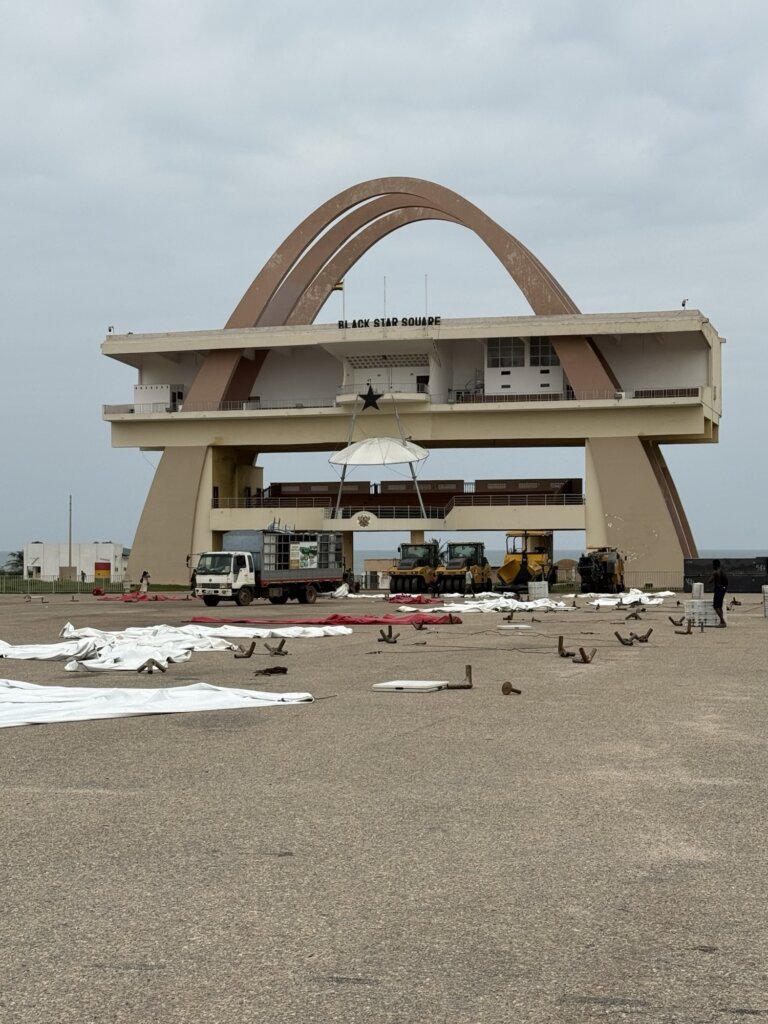
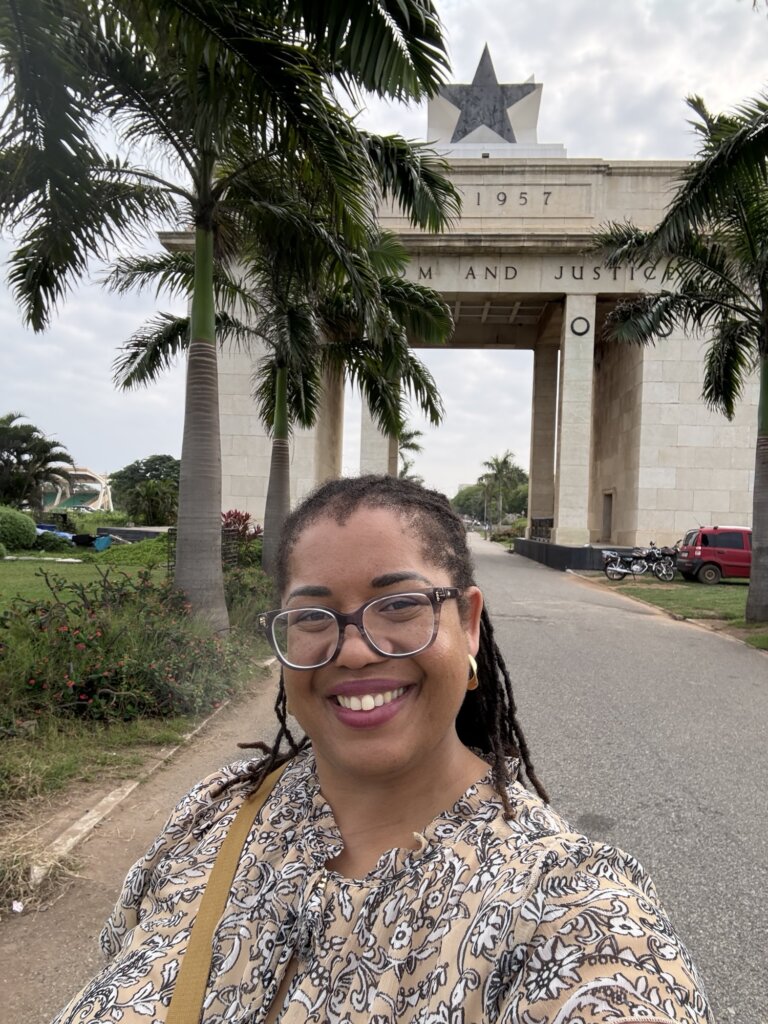
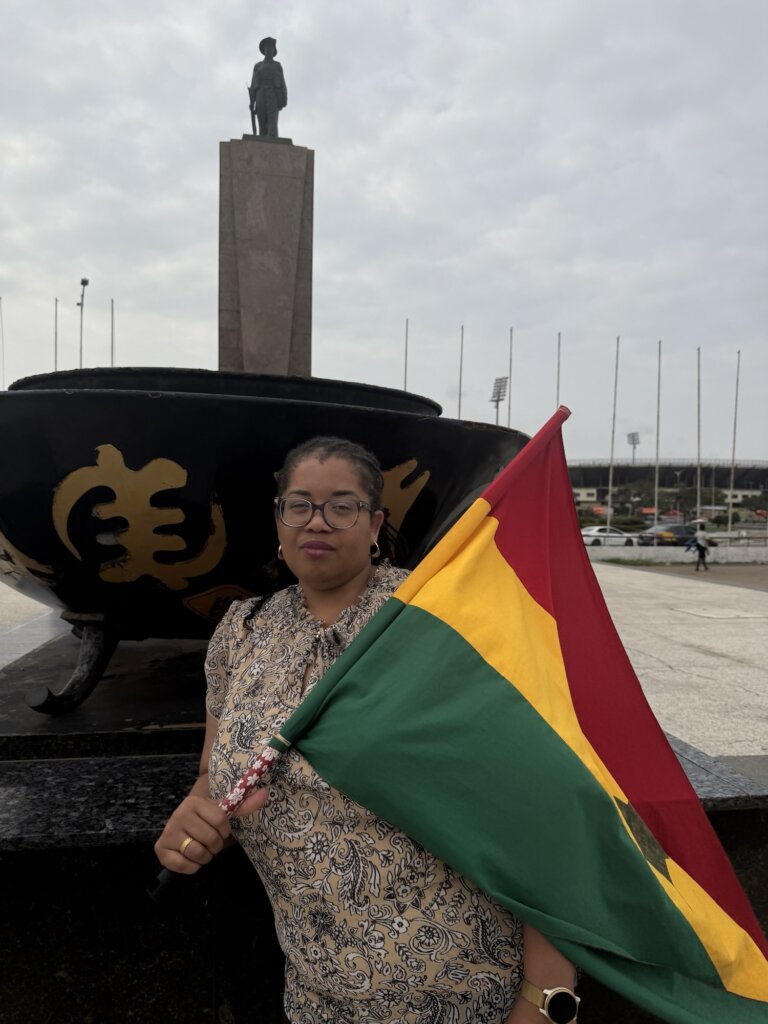
From there, my Ghanaian friend and I took a VIP bus to Cape Coast. The bus took 7 hours. It was supposed to have been a 4-hour journey, but there was a lot of construction all along the way and heavy traffic.
It was well past dinner time by the time we arrived. We couldn’t do any sightseeing that first night, but we joined people in the lobby of our hotel to watch the final of the World Cup. I was in good company cheering for Spain.
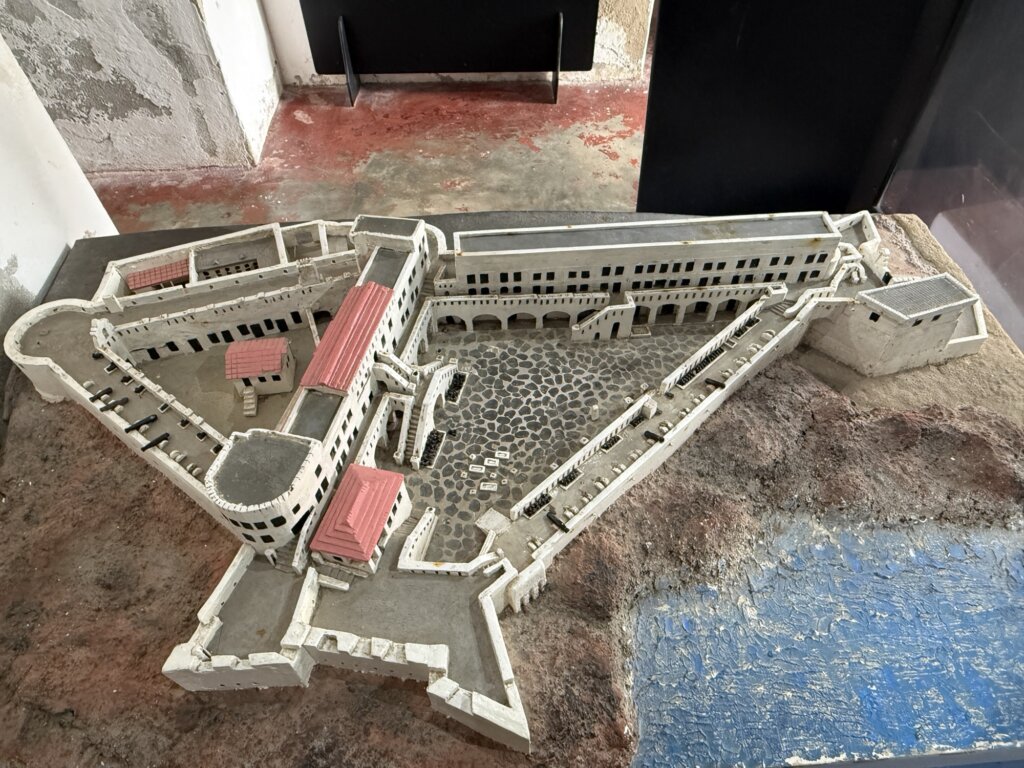
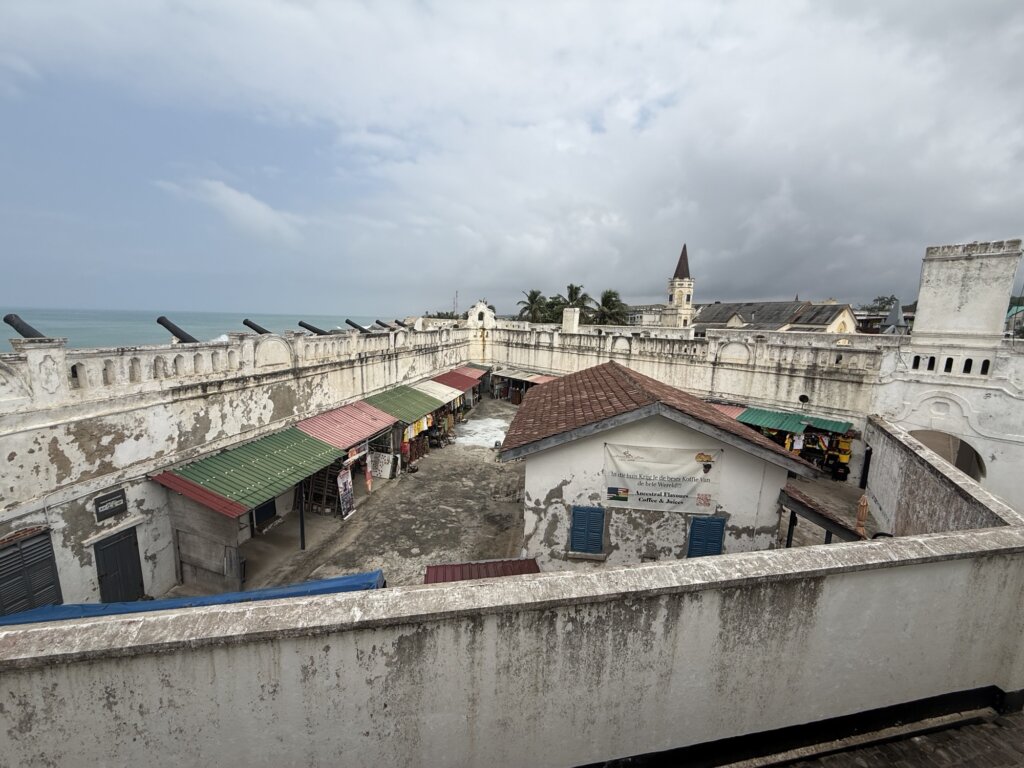
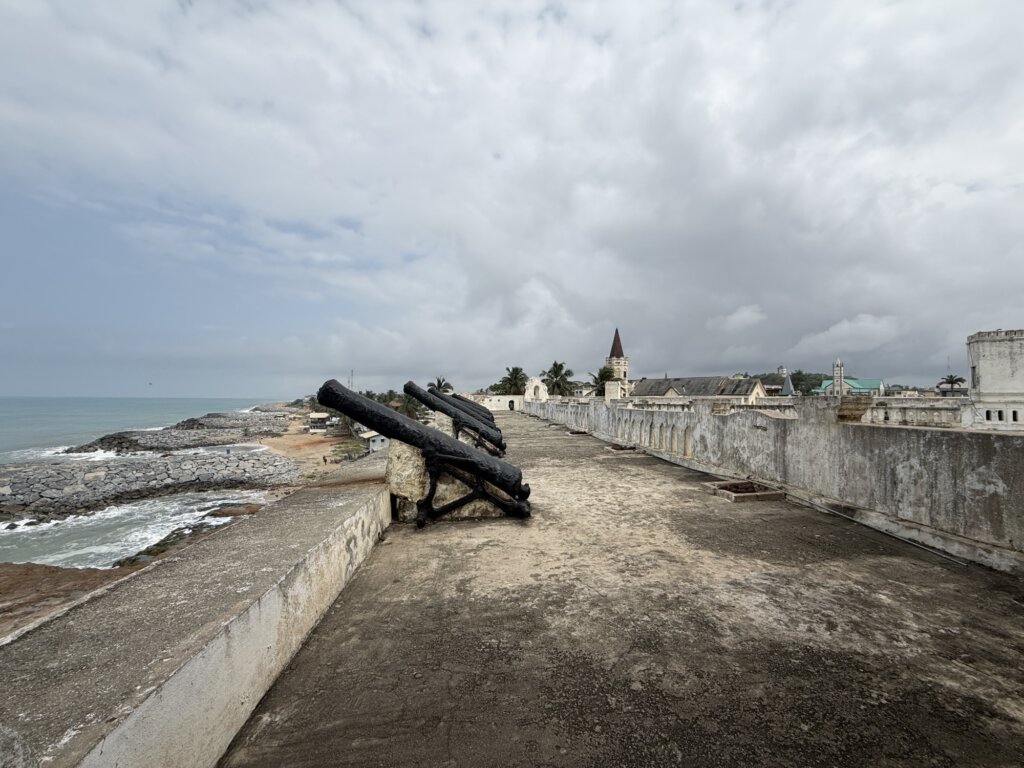
The next morning, we went to Elmina Castle. Built in 1482, St. George’s d’Elmina is one of the oldest European buildings outside Europe and is part of Ghana’s UNESCO-listed Forts and Castles.
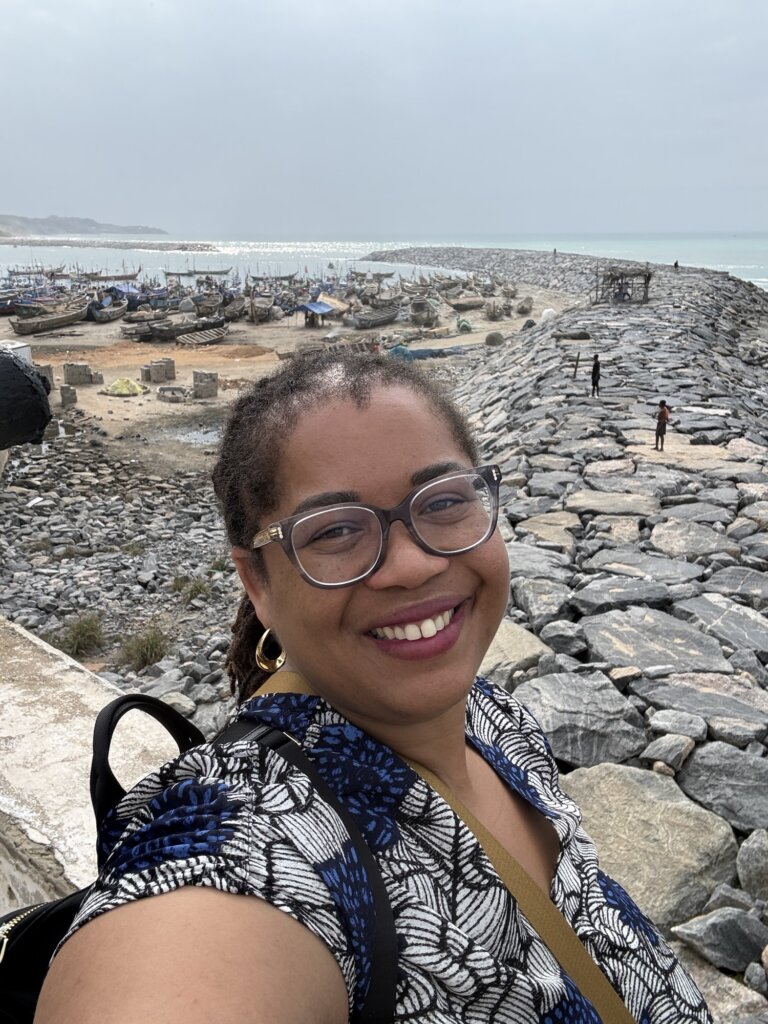
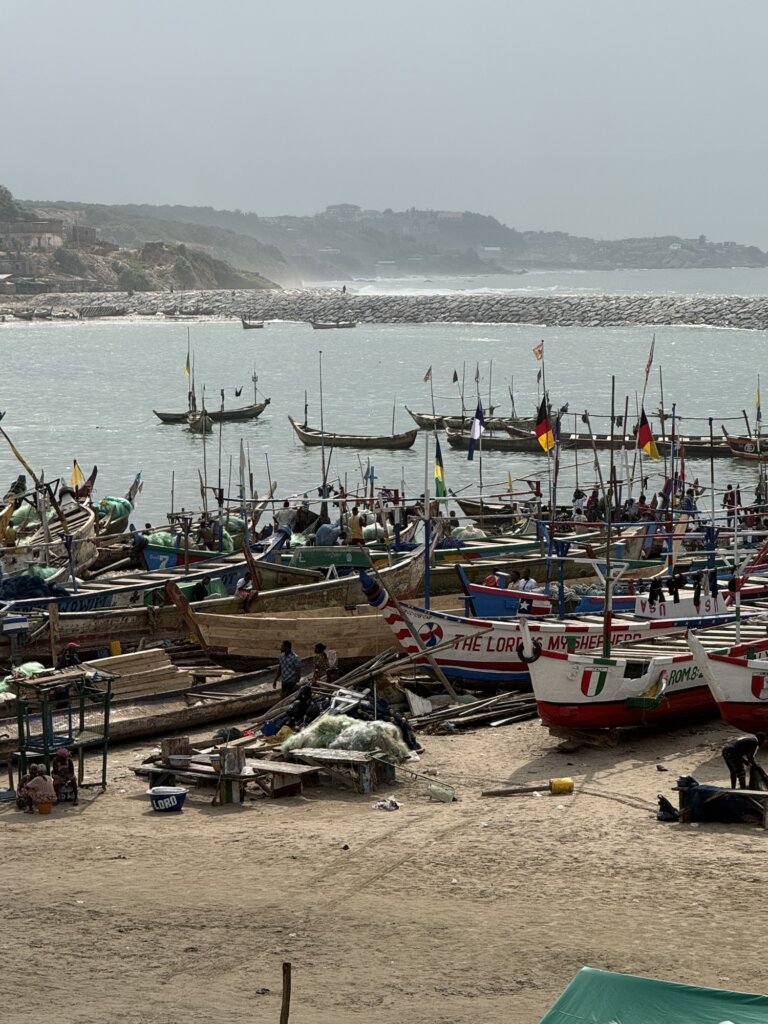
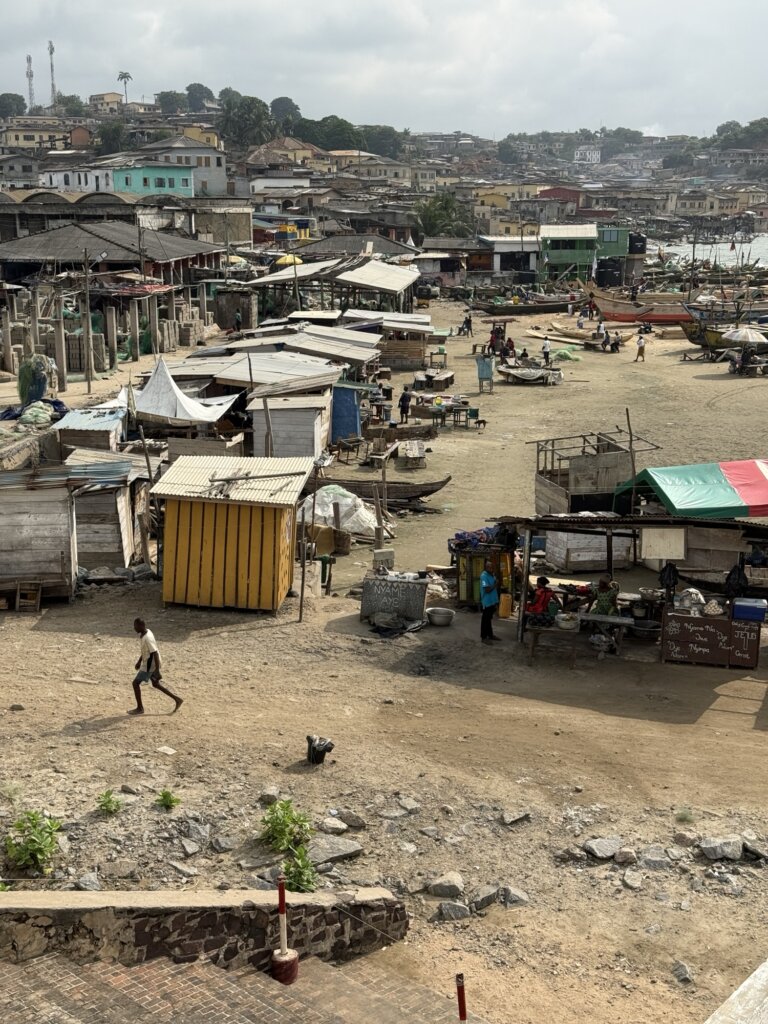
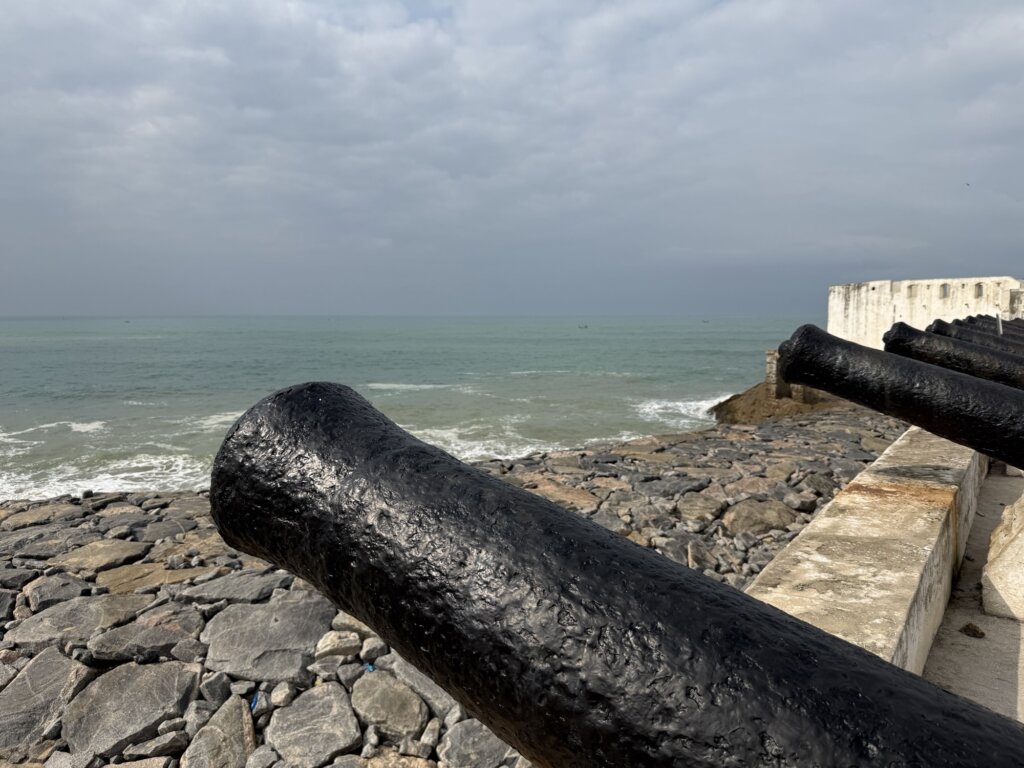
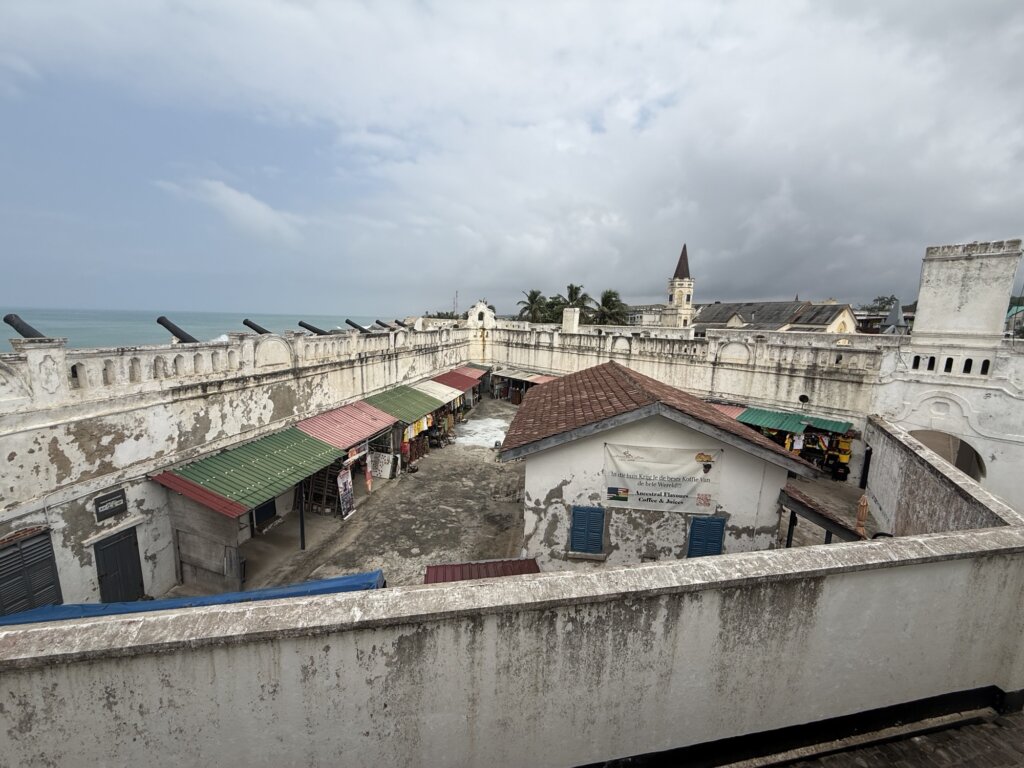
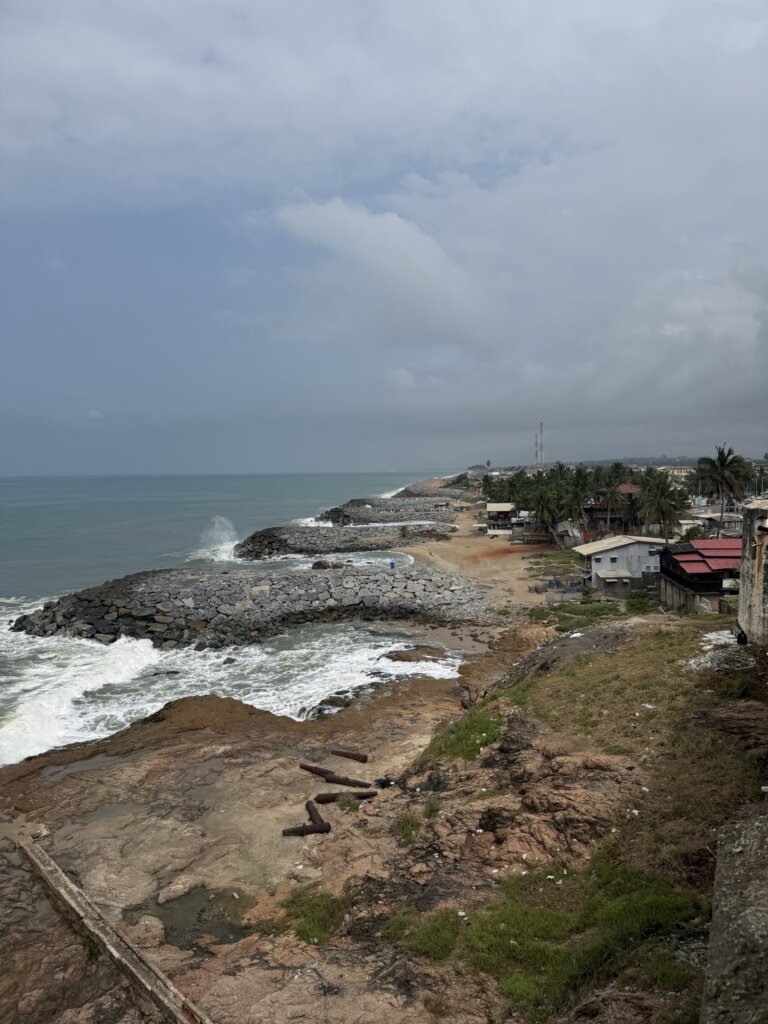
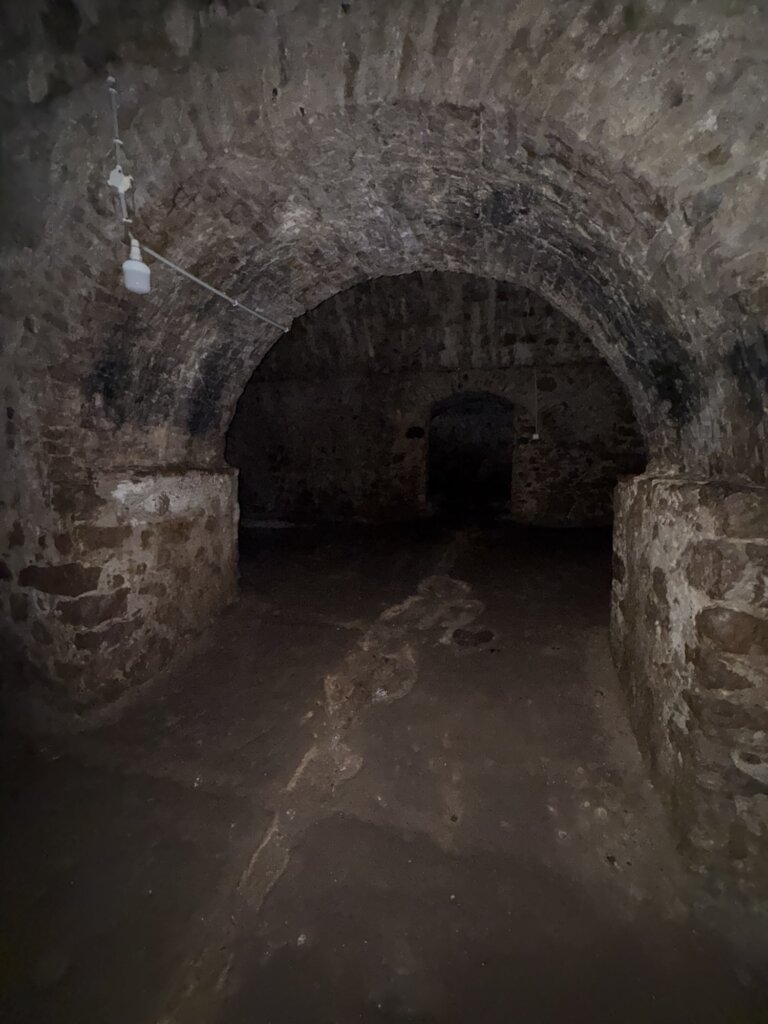
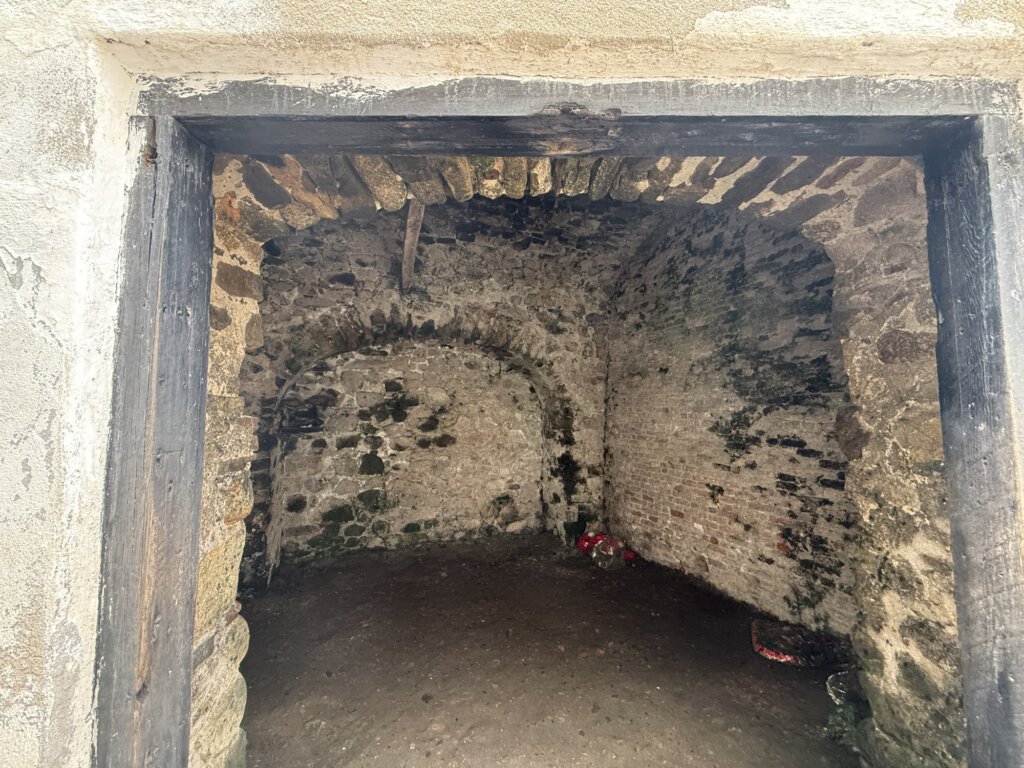
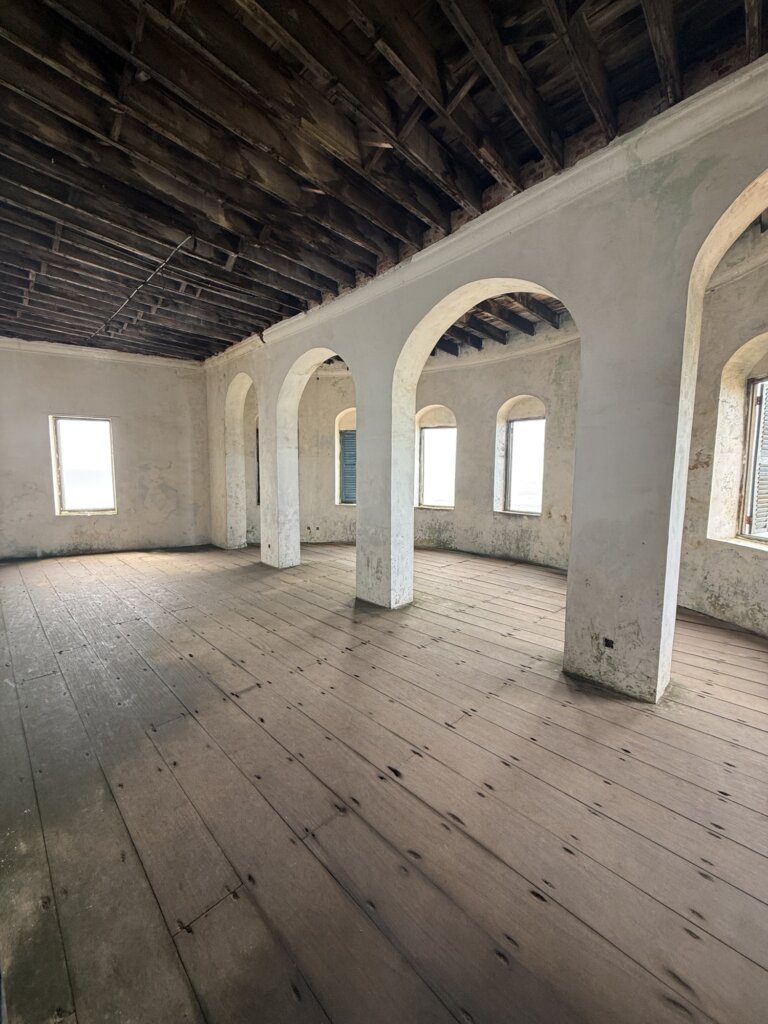
Elmina is so much bigger than the museum in Badagry. I actually got to walk through some of the dungeons where enslaved people were kept. Our guide explained that what we walked on was the sweat, feces, blood, body fluids and matter from the men and women who were held in these places. Historical records confirm that the dungeons lacked water and sanitation and that human waste covered the floors.
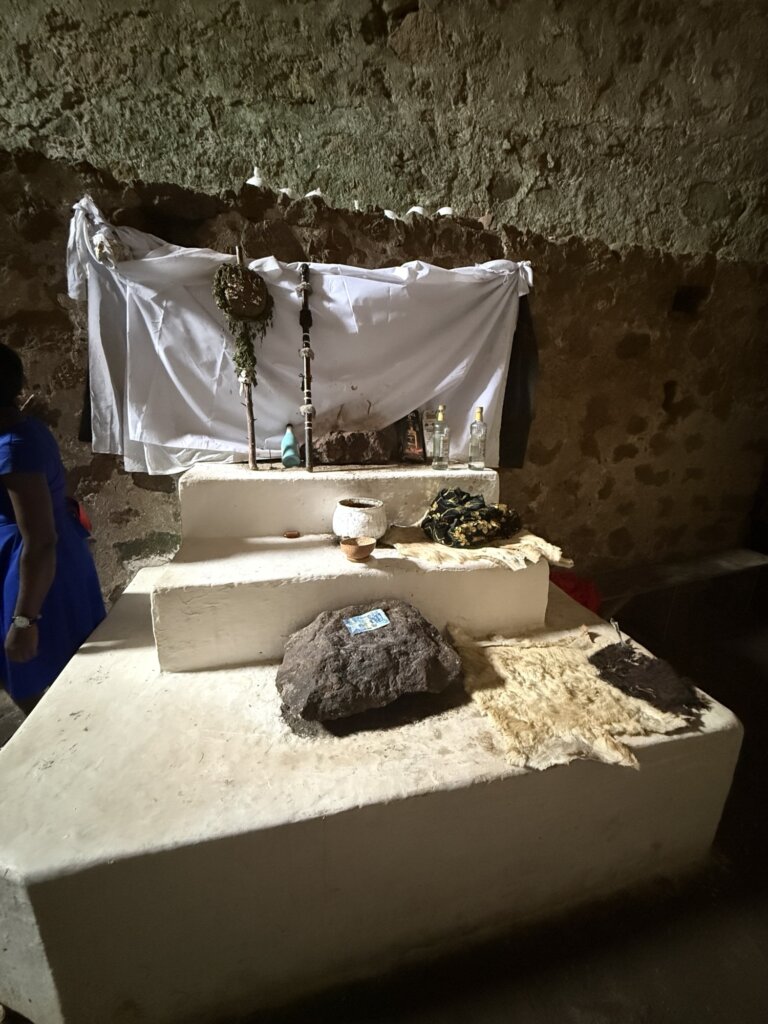
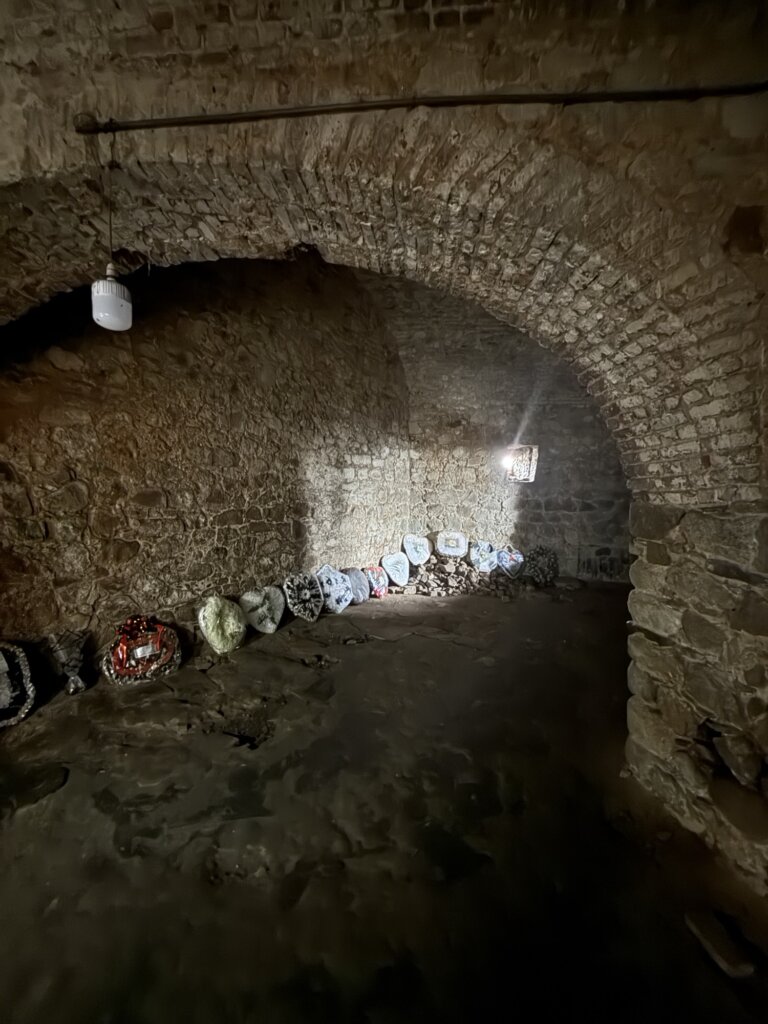
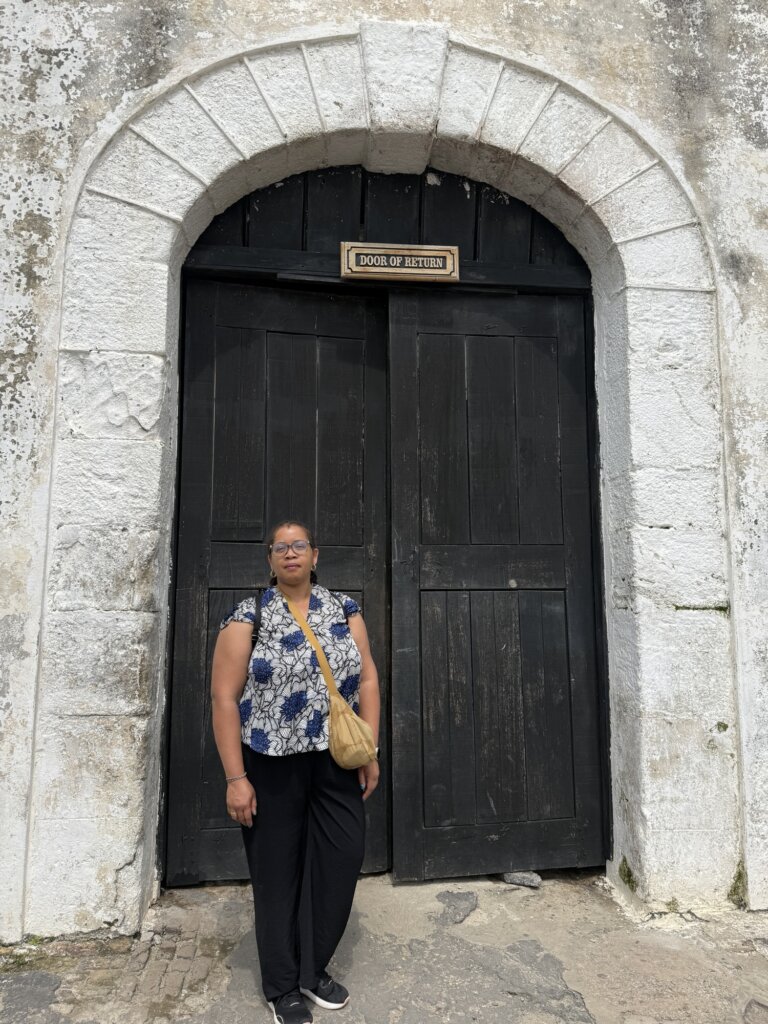
I always knew that the church was complicit, if not actively involved, in slavery. But seeing that the places where people worshipped were right beside where my ancestors were held is such a dichotomy for me that it is hard to resolve.
I think it’s important to learn from history, and looking at the world today, it seems like we really haven’t. It seems that we focus so much on fear and subjugation and so much less on the love in the holy books.
One of the things that the guide said was that if a woman who was chosen to serve one of the masters refused, she was put in solitary confinement. It makes me furious how violence is used against women in particular and how women are so often treated as playthings and weapons in war.
I can see the legacy of that in the communities where I grew up and in my own family, where my great-grandmother was too traumatized to even speak about her own history. It’s one of my regrets that I don’t know these stories.
When we asked her, she wouldn’t talk about it. It couldn’t have been something wonderful that she wanted to keep from us.
A peaceful place heavy with history
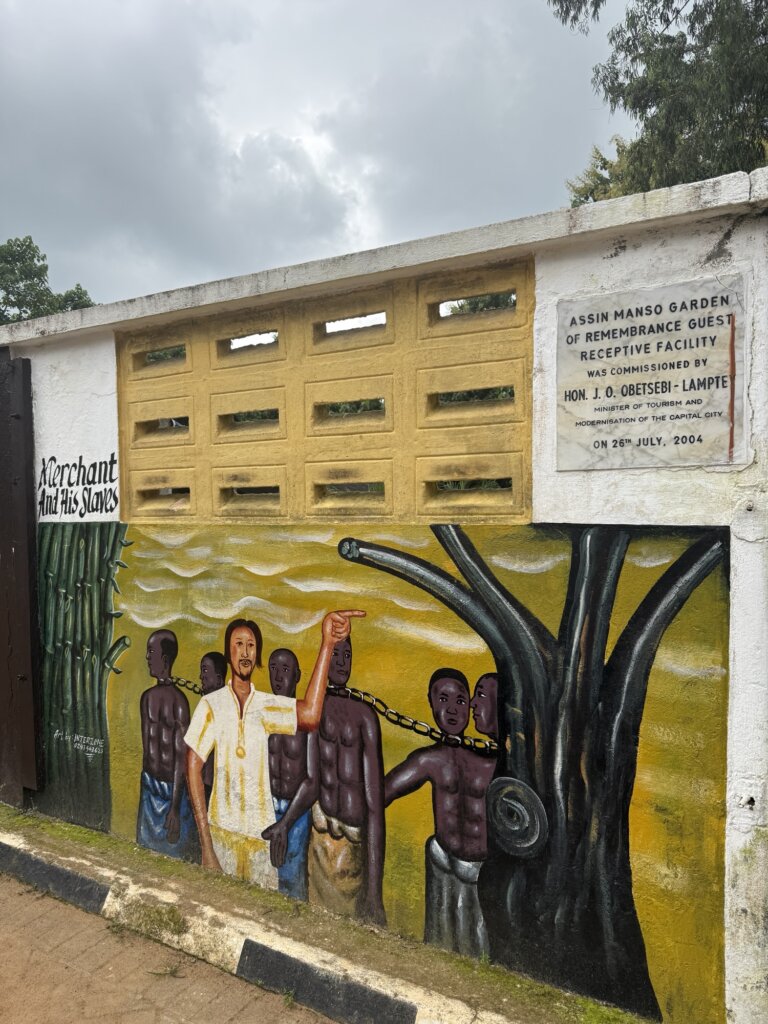
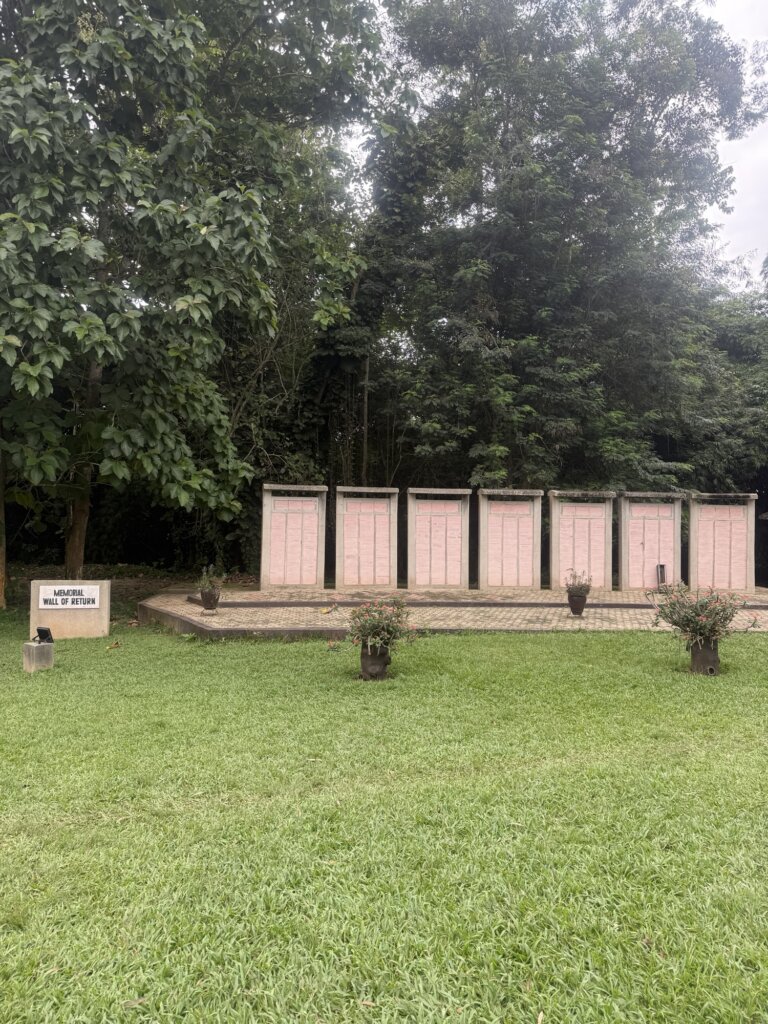
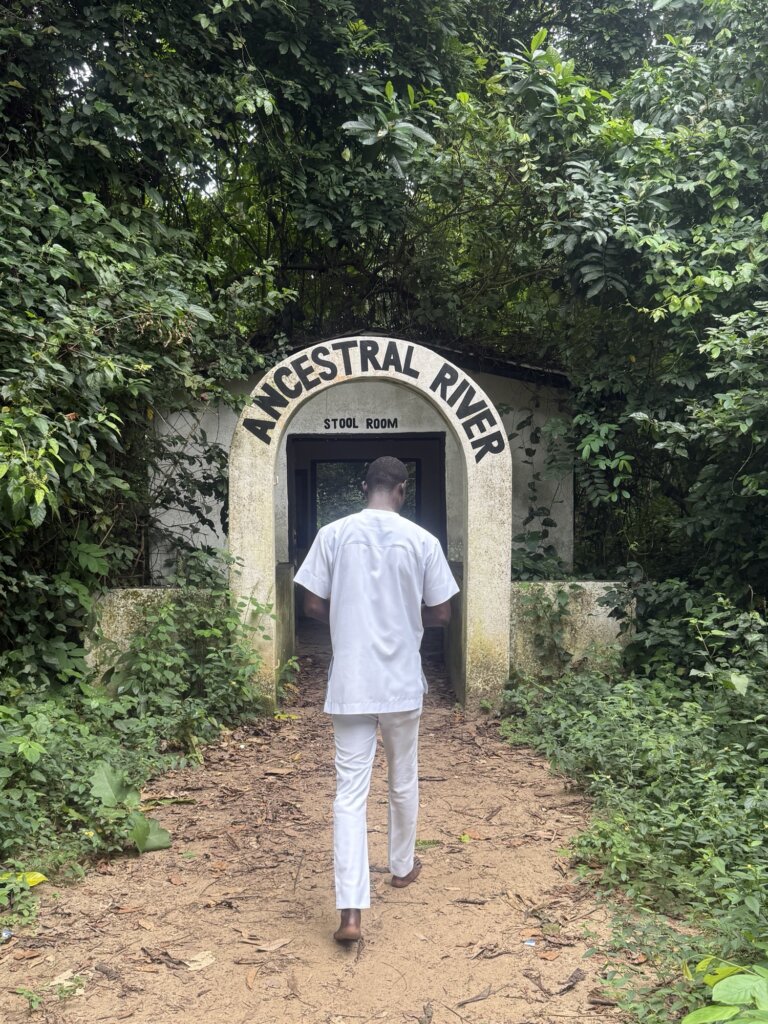
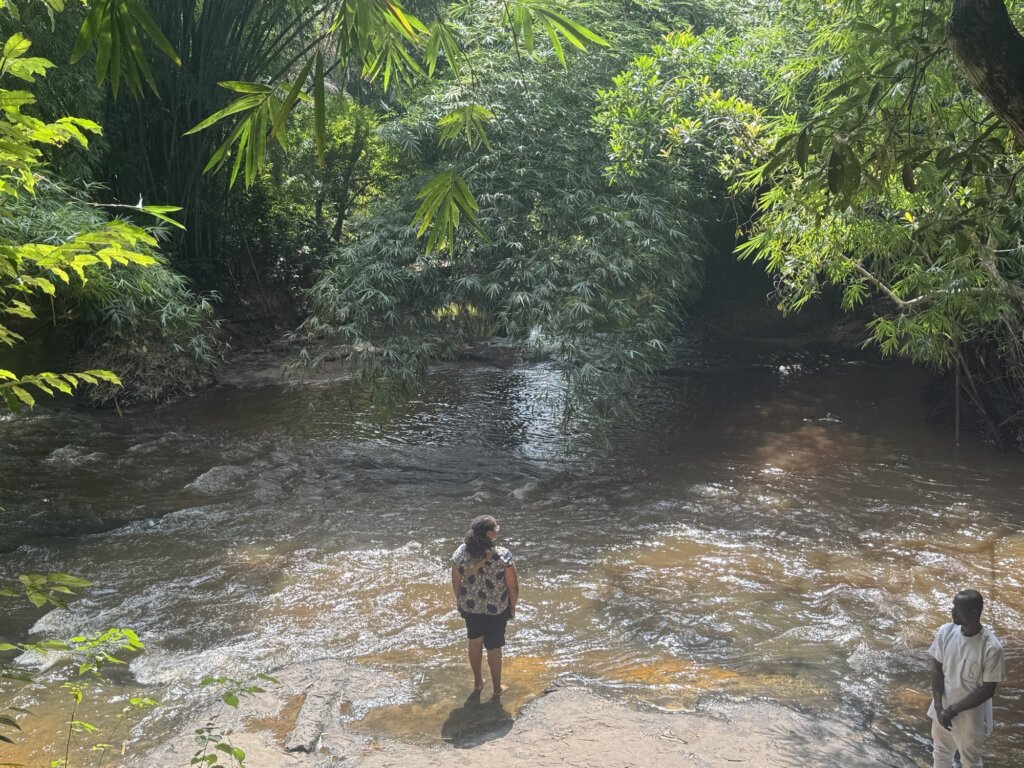
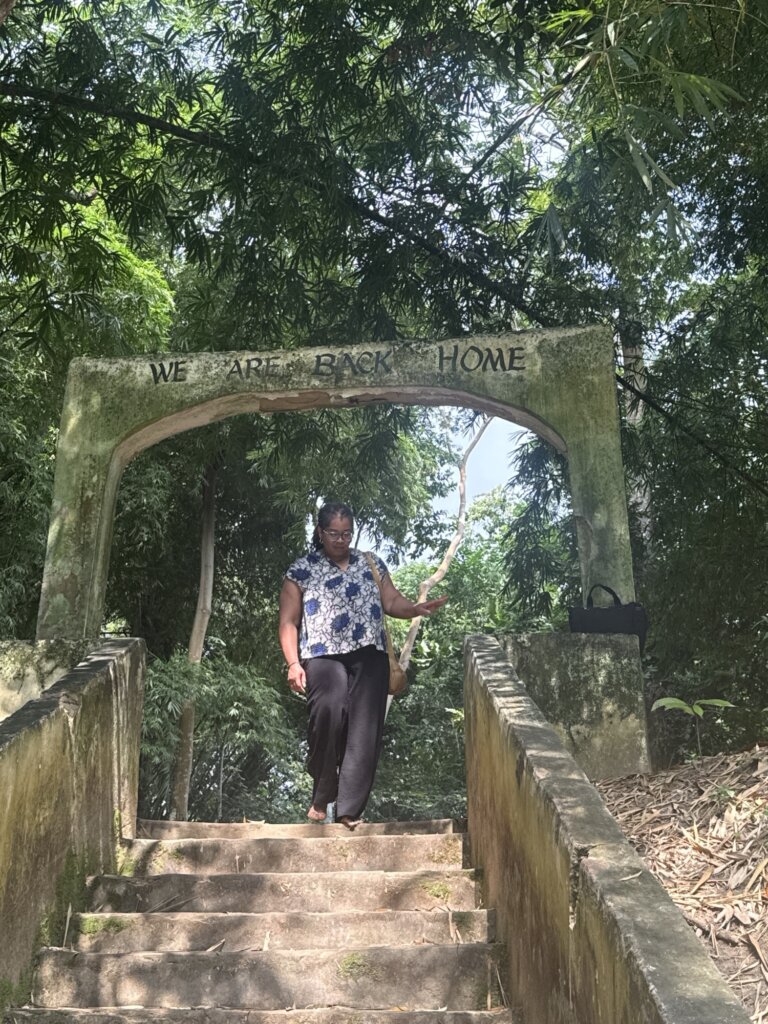
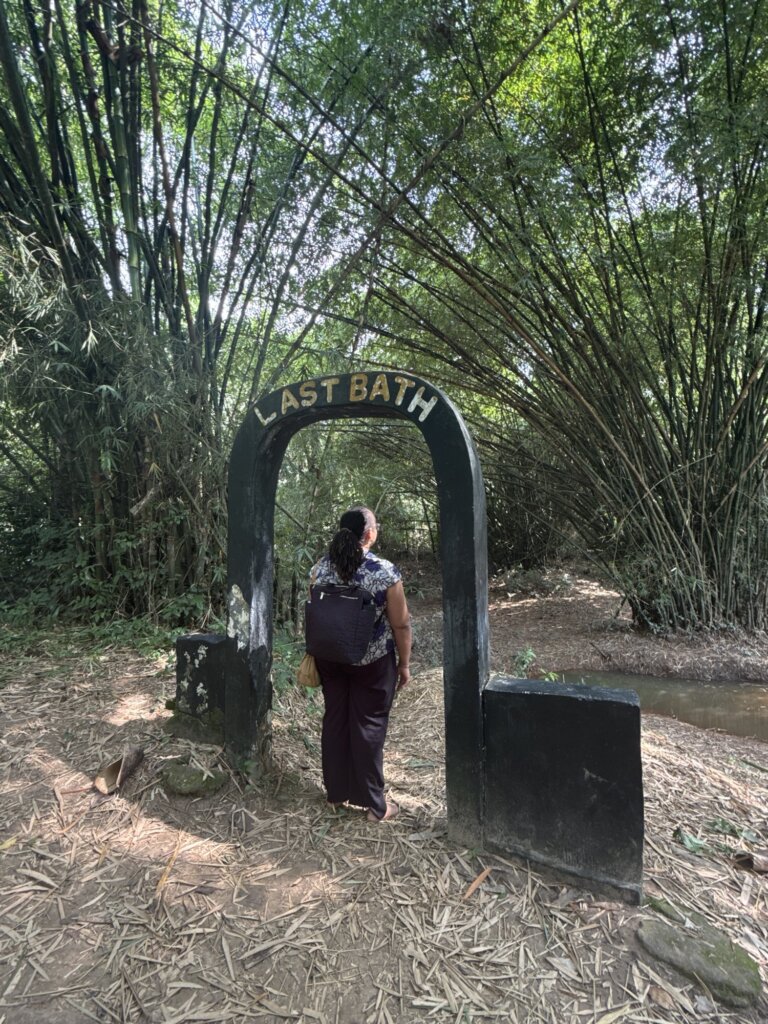
From Elmina, we continued to Assin Manso, where enslaved people were given their so-called Last Bath before being taken toward the coast.
The place was such a contrast because there was so much serenity, almost like holy ground in some ways. You walk barefoot along the path and see some of the sites connected to where enslaved people were given their last bath.
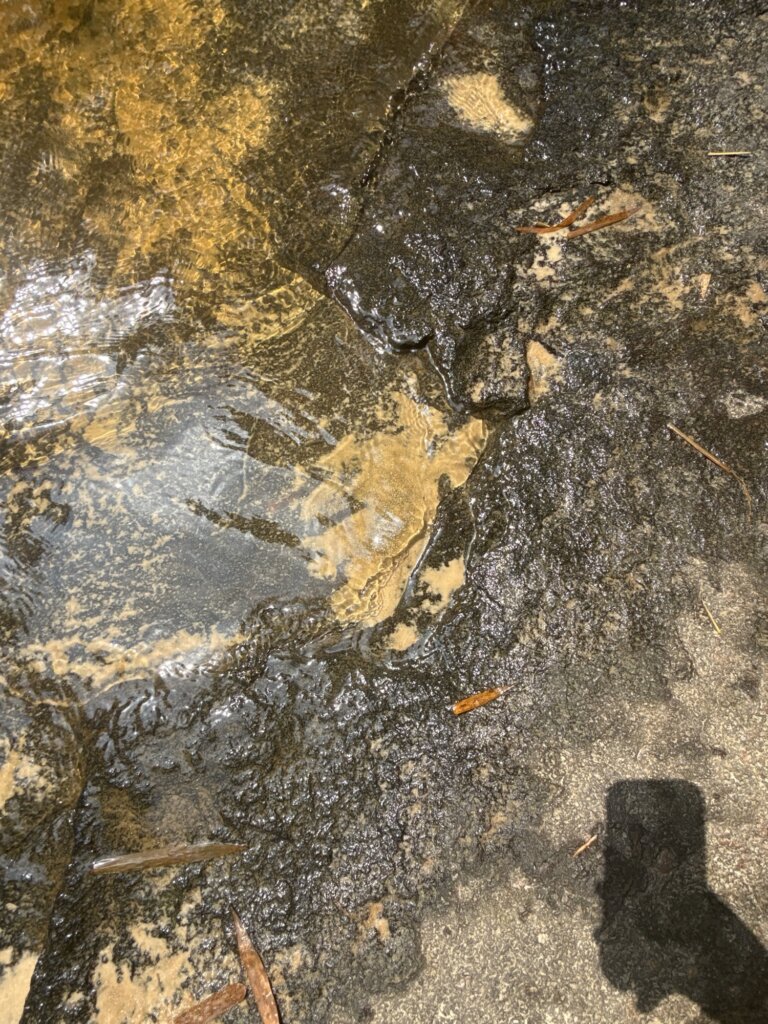
It was so beautiful because there were flecks of fool’s gold in the river, and the area was captivating. This is the kind of place where I could sit and read a book beside the river.
But I learned about the ghastly history that happened there, and it changed everything. It brought a gravitas and a heaviness to the experience that was more than physical.
My friend said that she felt sick to her stomach, and she wasn’t even hungry enough to eat after. Being Ghanaian a few years younger than me, she hadn’t learned much about slavery. Twelve Years a Slave was her biggest source of information.
I had grown up in the Caribbean with the story of slavery in the Americas much more firmly embedded in my understanding.
Seeing faces I knew
It’s funny, but I connected to Ghana a bit more than Nigeria. I was waiting for my friend at a market and saw somebody go by. I said, “Oh, this man looks like my father.” I saw the faces of people that I knew there.
In my friend’s village, I heard some music that sounded familiar. Everybody seemed to know everybody and greet everybody, and it definitely reminded me of St. Lucia.
The trip did not really change how I think about my identity as a Caribbean woman of African descent.
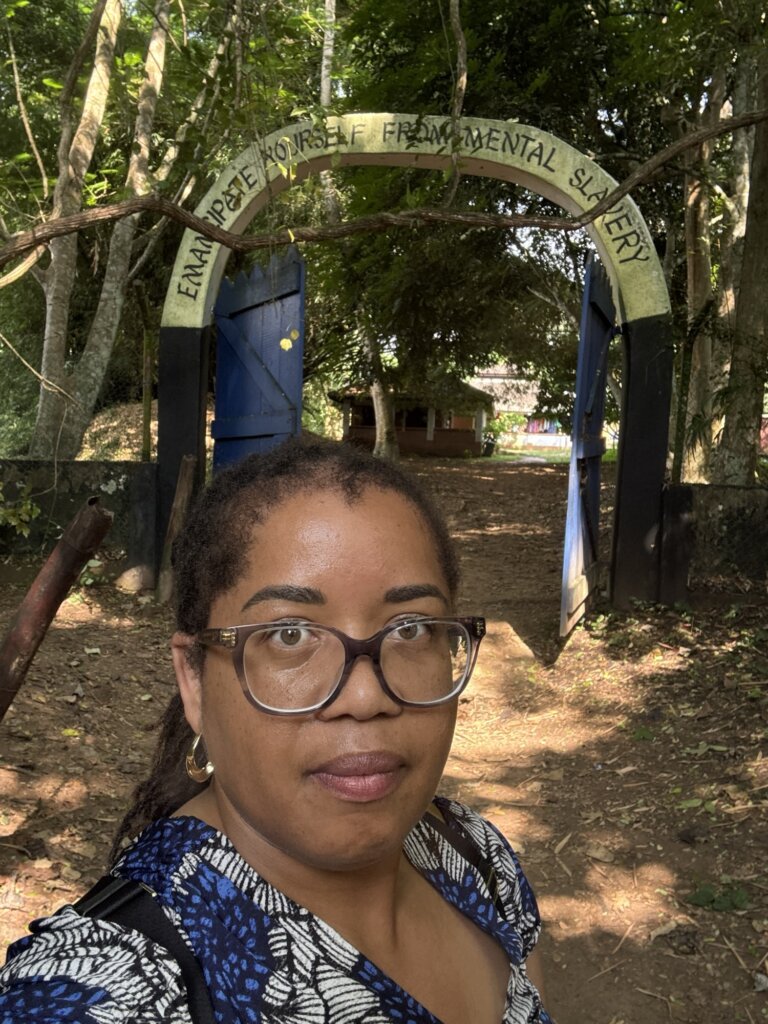
This was the first time that anybody else in my family came to Africa. There’s always a bit of resistance for Caribbean people around the idea of being African. I think that’s changing, especially as more countries are distancing themselves from the colonial masters.
No one in my family said or did anything in particular that changed my understanding, but people were very engaged. It really felt like a shared experience.
Some people of African descent don’t have the background or connection with Africa to understand anything of our history there. They want to dissociate themselves from Africa, and I think that is part of the legacy of colonialism and slavery. We’ve really kind of bought into the story.
People work hard in so many places in Africa. I watched children and women carrying water on the side of the road. Imagine a world where no one had to carry water, where women didn’t spend hours doing laundry by hand.
Some of the international schools where I worked raised funds to dig wells in Africa. I wonder whether or not those wells are being maintained and what the impact is.
A Pan-African ending
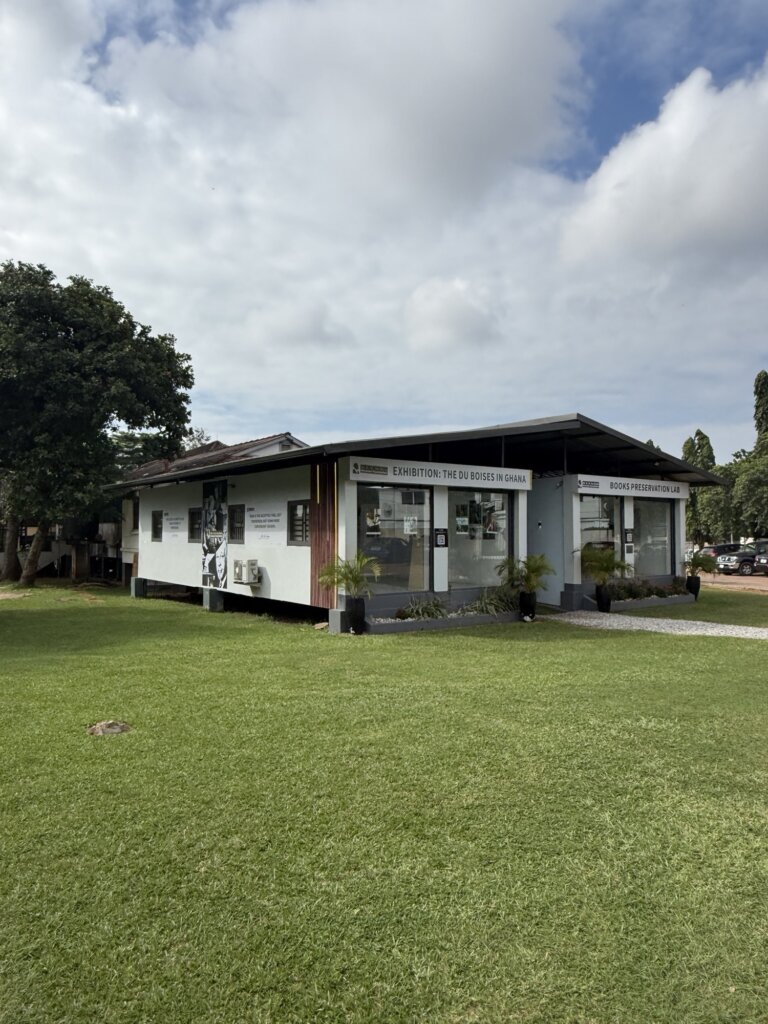
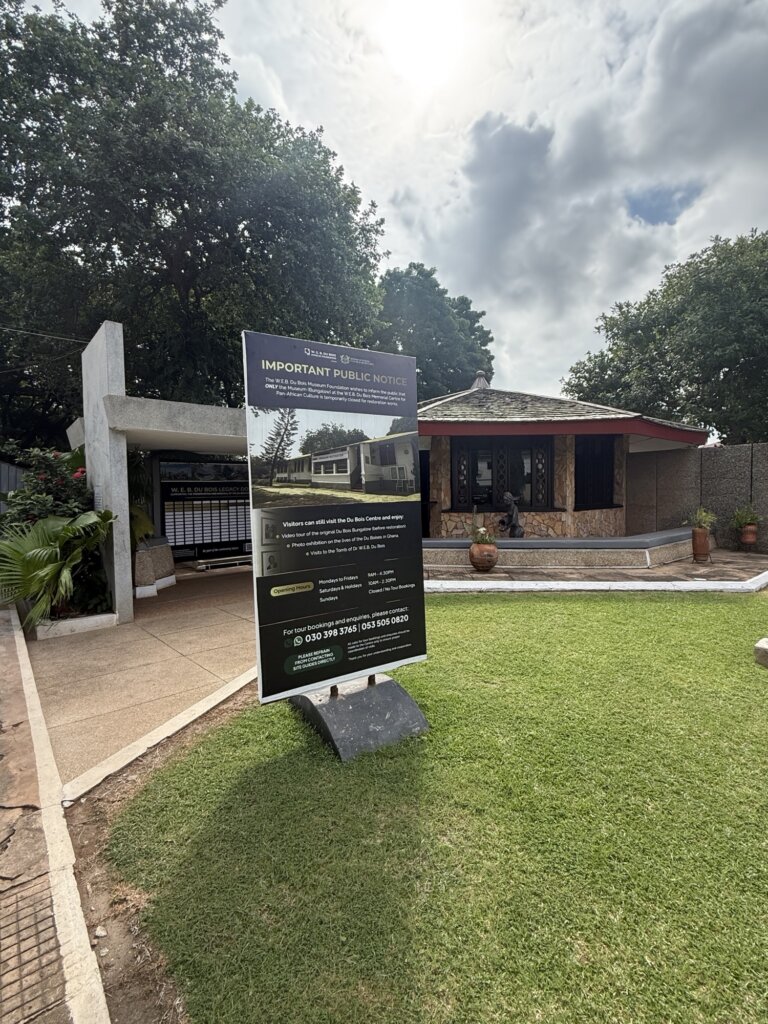
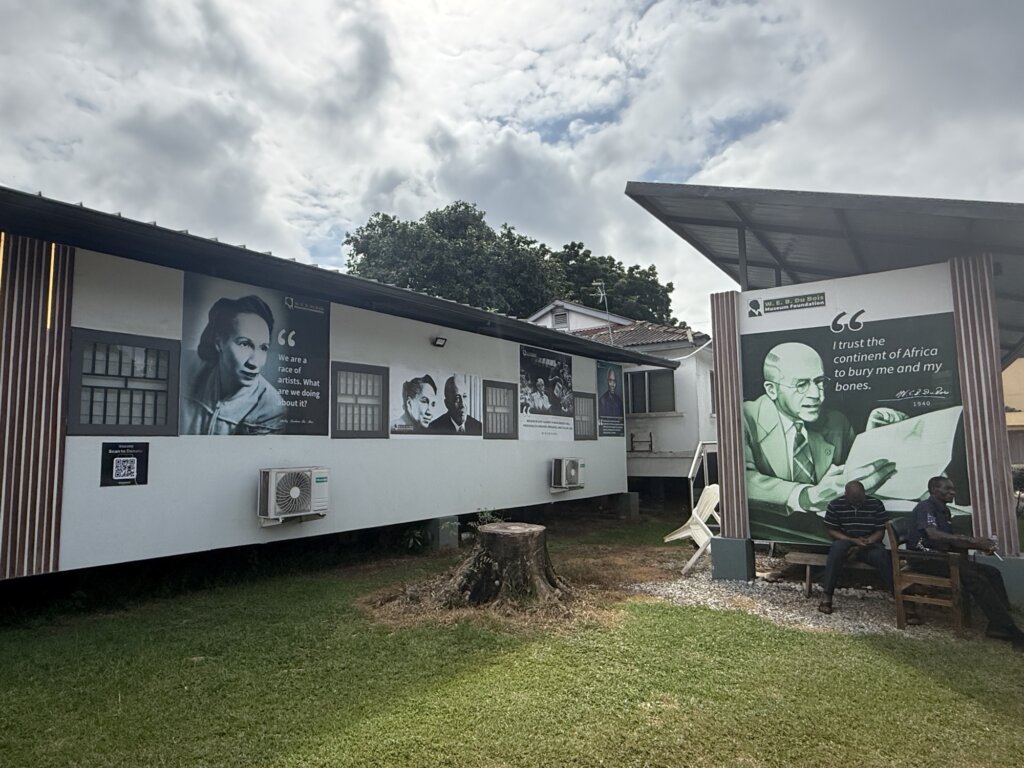
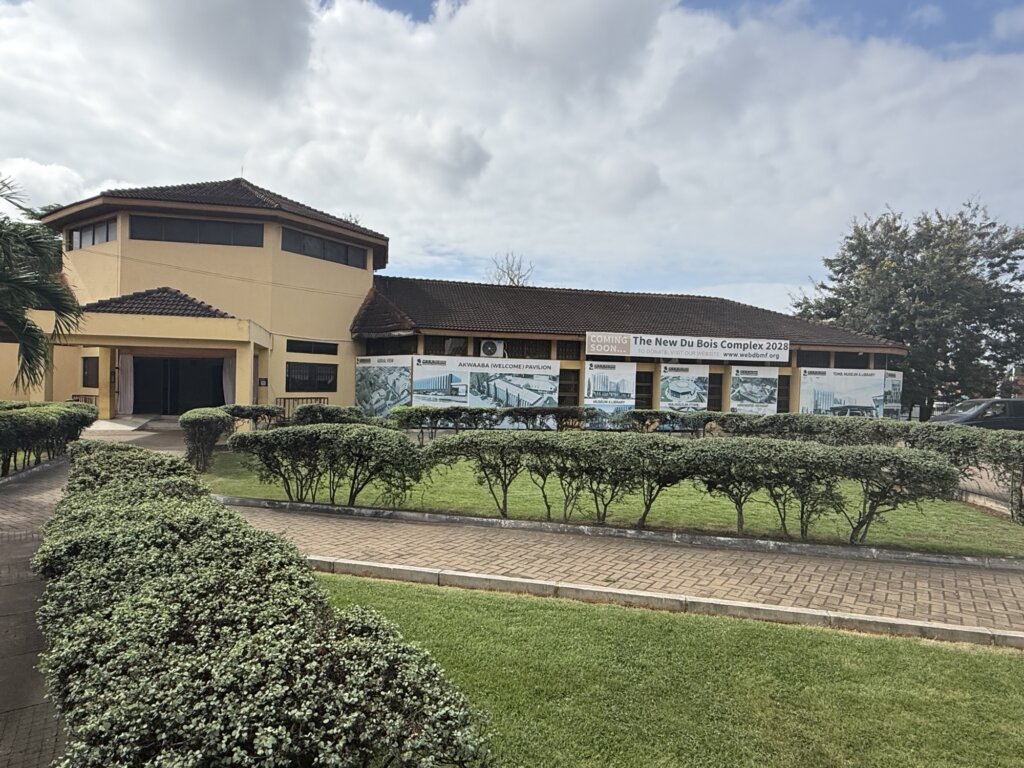
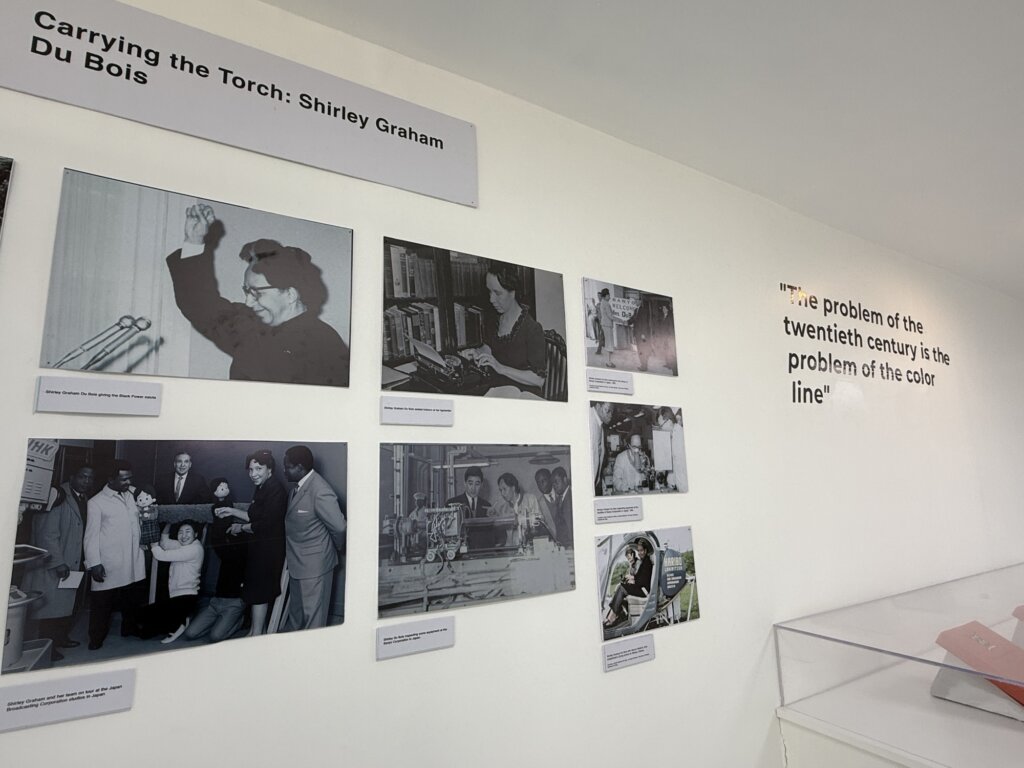
On my final day in Accra, I visited the W.E.B. Du Bois Memorial Centre.
I had associated Pan-Africanism with the Back-to-Africa movement, but I understand that they’re not the same thing. Pan-Africanism is more broadly about solidarity among African people and people of African descent across the continent, the Caribbean, the Americas and elsewhere.
I think Pan-Africanism is something that is still needed today.
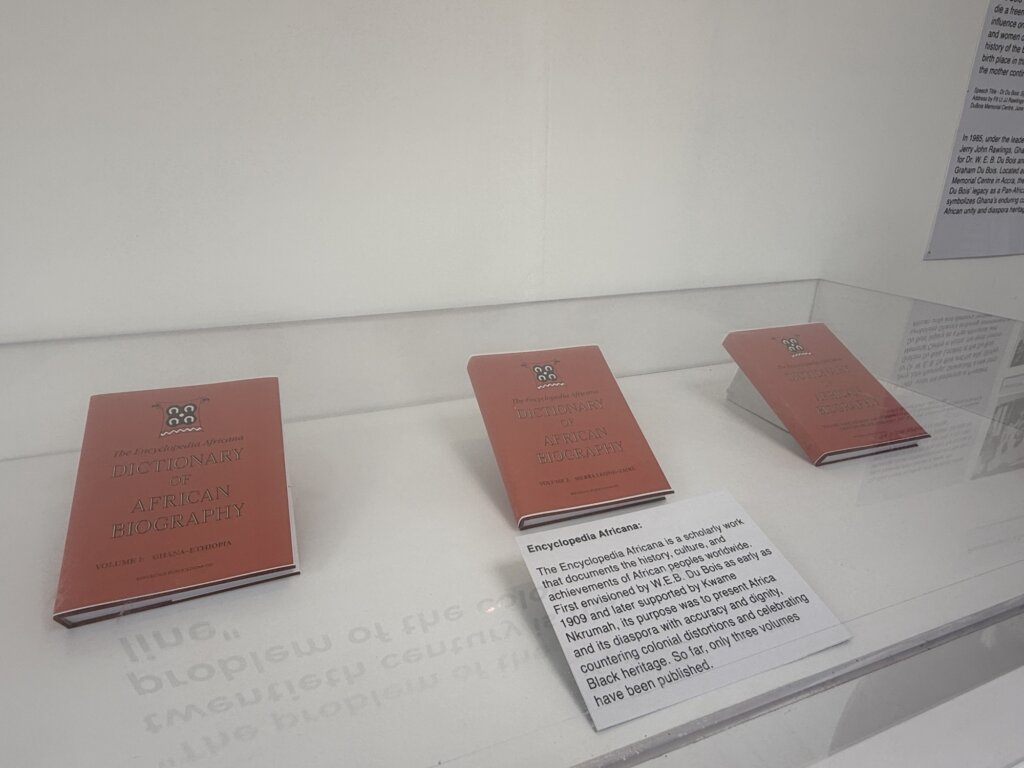
Du Bois moved to Ghana in 1961, at the age of 93, after President Kwame Nkrumah invited him to serve as editor of the Encyclopedia Africana. The W.E.B. Du Bois Papers at UMass Amherst document both the invitation and the U.S. government’s earlier prosecution of him during the anti-Communist hysteria of the 1950s. The charges were dismissed, but the experience shaped his final years. His later U.S. passport explicitly restricted travel to Communist-controlled China and several other countries.
It’s extraordinary that Du Bois gave his last years to building the encyclopedia. It was also interesting seeing the connection with China and the response from the U.S. Some of that fighting and all-or-nothing thinking continues to exist.
It is not popular to see China in any positive light if you’re a Westerner.
The Du Bois centre was a great way to end the visit, showing some connections between the more distant and recent past. It was under reconstruction, and the new features seemed like an exciting next step in understanding Black history and achievement and building a new future.
Belomging
If you’re interested in your history and want connection, I think it’s good to go and see where your parents came from, where your ancestors came from.
You can belong to a place without swallowing all of it. You can experience it, inhabit it, understand it and be fully present.
You can claim connection without romanticizing the place or ignoring what troubles you about it. You don’t have to adopt all of it to belong.
I can criticise St. Lucia and Canada even though I think I belong to both of them, and even Prague and the Czech Republic. Belonging can be nuanced.
Be First to Comment